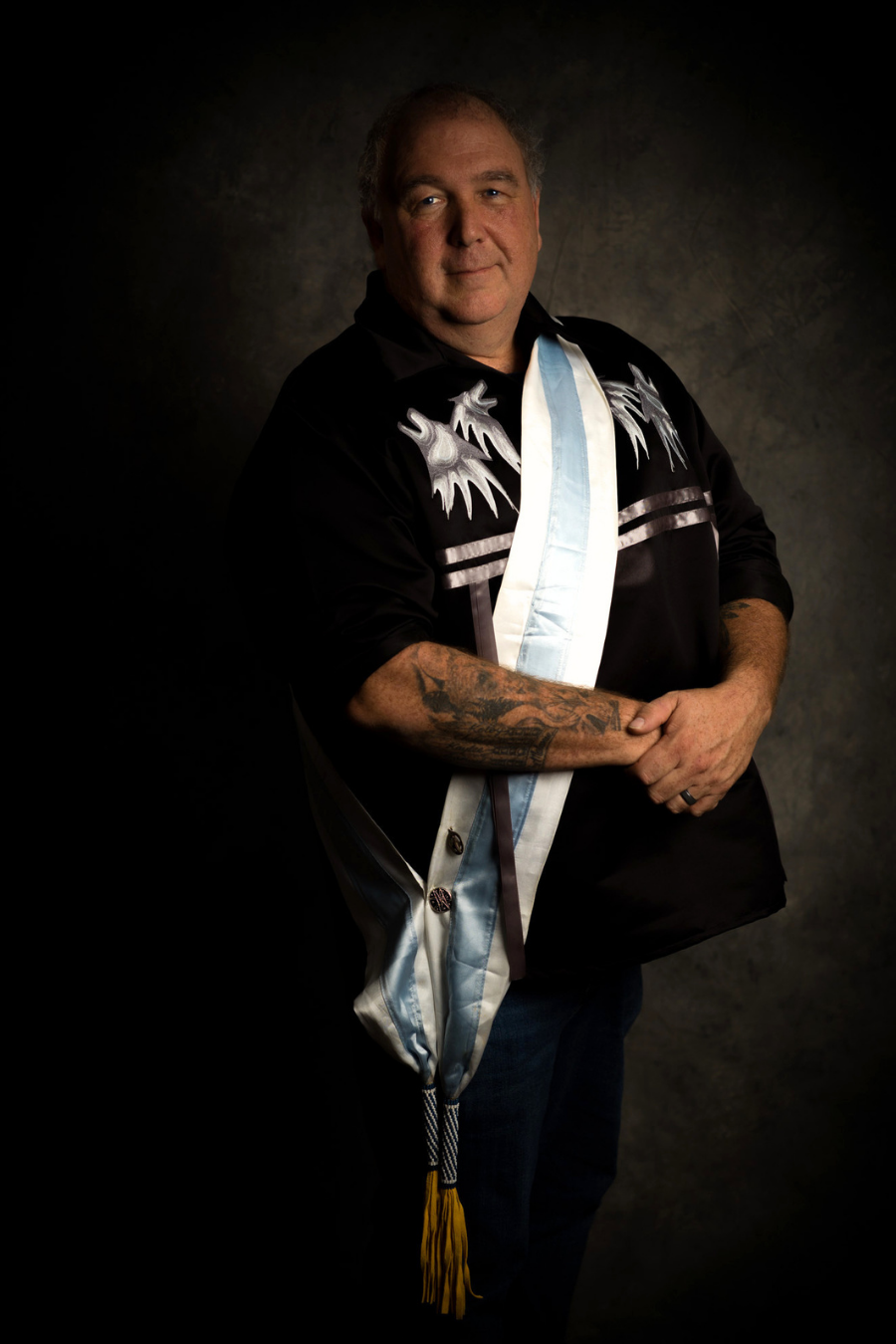
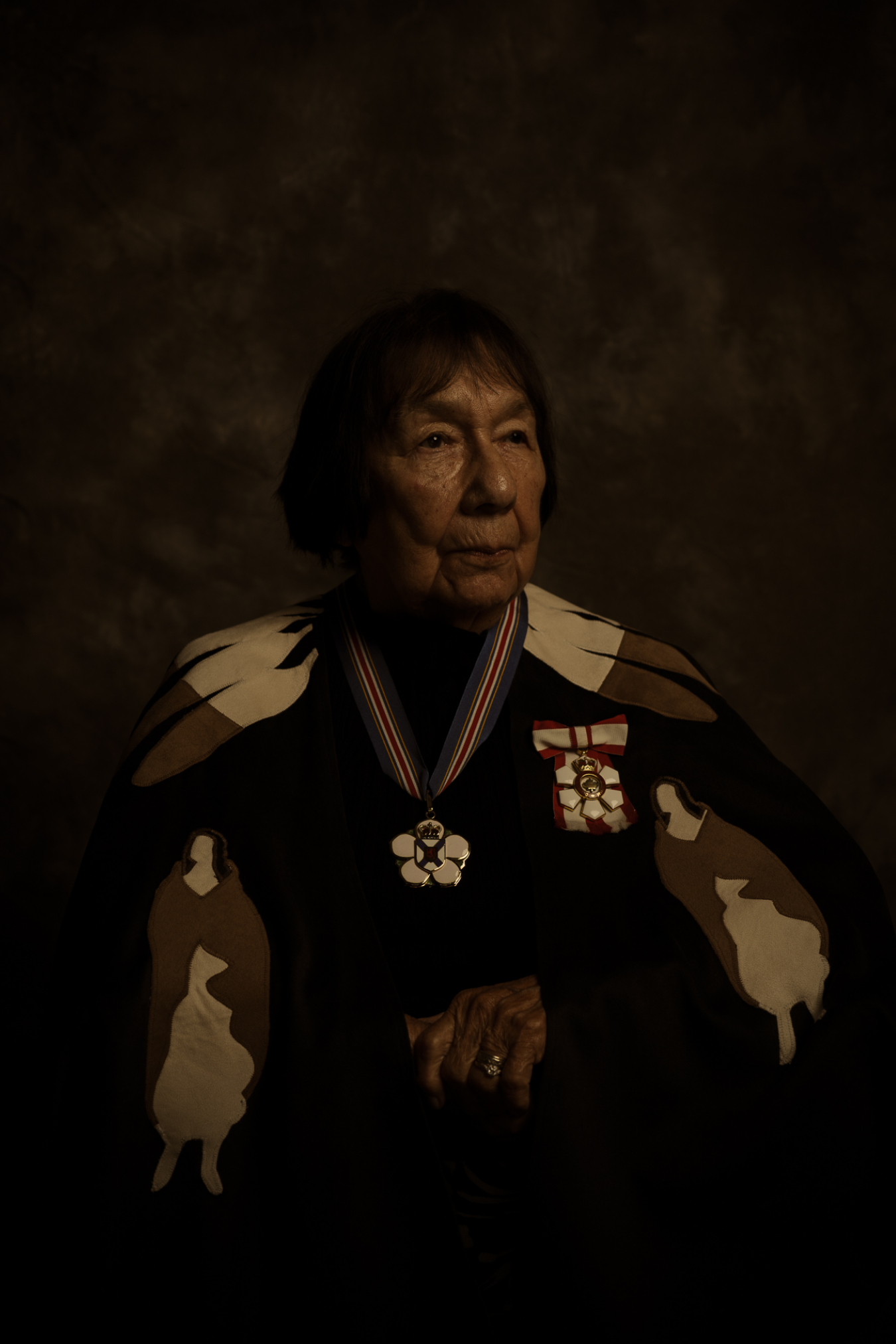
Dr Viola Robinson
I was born in Cumberland County, Nova Scotia, in 1936. My family lived there until 1945, when we were relocated to the Indian Brook Reserve, now known as Sipekne’katik, as a result of the federal government’s centralization policy. When I think about my childhood, I think about my mother. My whole life was my mother. It was always the two of us—me and my mother. We travelled together by train and spent our days together. My mother spoke only our Mi’kmaw language, so even as a young girl, I became her translator. I was her connection to an English-speaking world, and she was my connection to everything that mattered. Then, when I was only thirteen years old, my whole life changed.
My mother went to the hospital in Truro, and she never came home. Suddenly, I was without the person who had been my entire world. Life would never be the same. Thankfully, I had a loving grandfather and an incredible uncle who took me under their care. But losing my mother so young also forced me to become strong and independent long before most children ever have to. I attended Sacred Heart Academy in Meteghan, Nova Scotia. I found my way there on my own, and I found my way home to my roots in Shubie on my own.
[Read more]
John Andrew Francis
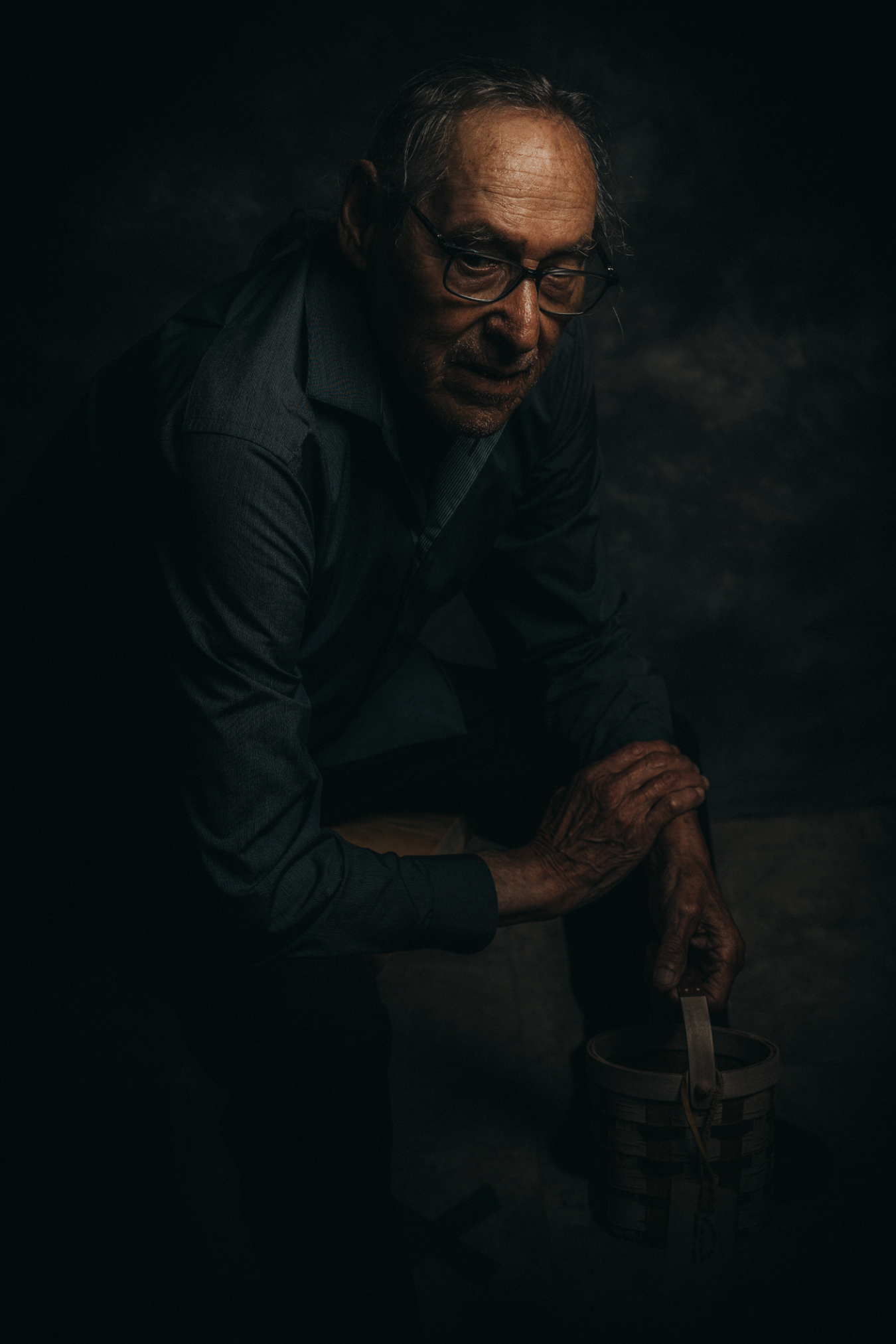
John Andrew Francis is a well-respected Elder from Kepe’k (Milton) with a deep connection to the land and water. Through generations of traditional teachings, he honed his skills in harvesting, trapping, and hunting. John learned at a young age the importance of knowing and respecting the land and its resources. He also carries extensive knowledge of traditional medicines, plants, and other materials found on the land.

John’s expert-level basket making comes from a generational practice that has been a part of his family for well over 200 years. It was not only a traditional skill, but an important way for the family to make a living as his Father, also John Francis, travelled throughout Mi’kma’ki selling baskets. John has been making baskets for 68 years, continuing a tradition that began long before him. The baskets are made primarily using white ash or birch bark and can be easily identified by the hand-burned designs engraved on his baskets.

The baskets John makes today carry more than traditional skills. They carry his family’s history, the strength and resilience of those who came before him, and their connection to the land. John shares that knowledge with his children and grandchildren, passing down the skills, values, and understandings that have shaped his life. It is through them that his knowledge and legacy will live on.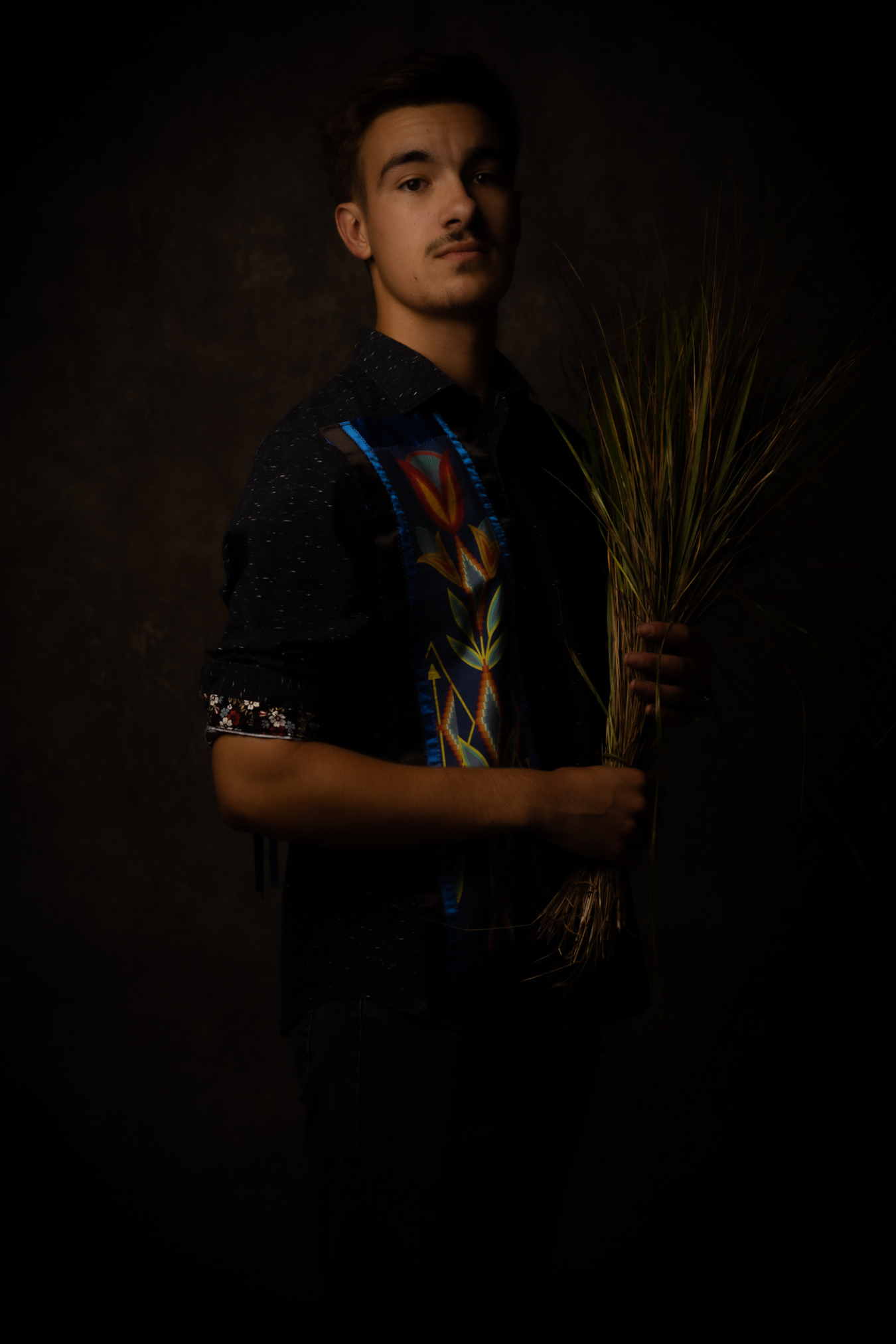
Dawson Smith
Kwe’ metalwelain Dawson Smith, I am from Wasoqopa’q First Nations. Since I was a little boy I always wanted to further my knowledge day by day so I can teach future generations how we lived off the land and so I and future generations could learn that we need Mother Nature to survive but she does not need us. My culture means so much to me and I hope our culture will still mean a lot to our future generations. I am a student in Natural resources and environmental technology at lunenburg campus. Mother Nature has always been my place of peace. My father taught me how to fish and how important it was to learn and know your medicines on the land and how to treat Mother Nature with respect and love. My hobbies are hunting, fishing, 4 wheeling and playing guitar.
Welali’eq for reading my story and I hope you all can connect and learn from Mother Nature p.s And another thing is to make sure you always listen to your knowledge keepers, ive had the great opportunity to learn from so many knowledgeable people and elders along my journey and they have helped me so much with further understanding myself and my culture day by day. Msit no’kmaq.
Judy Googoo
Chief Deborah Robinson
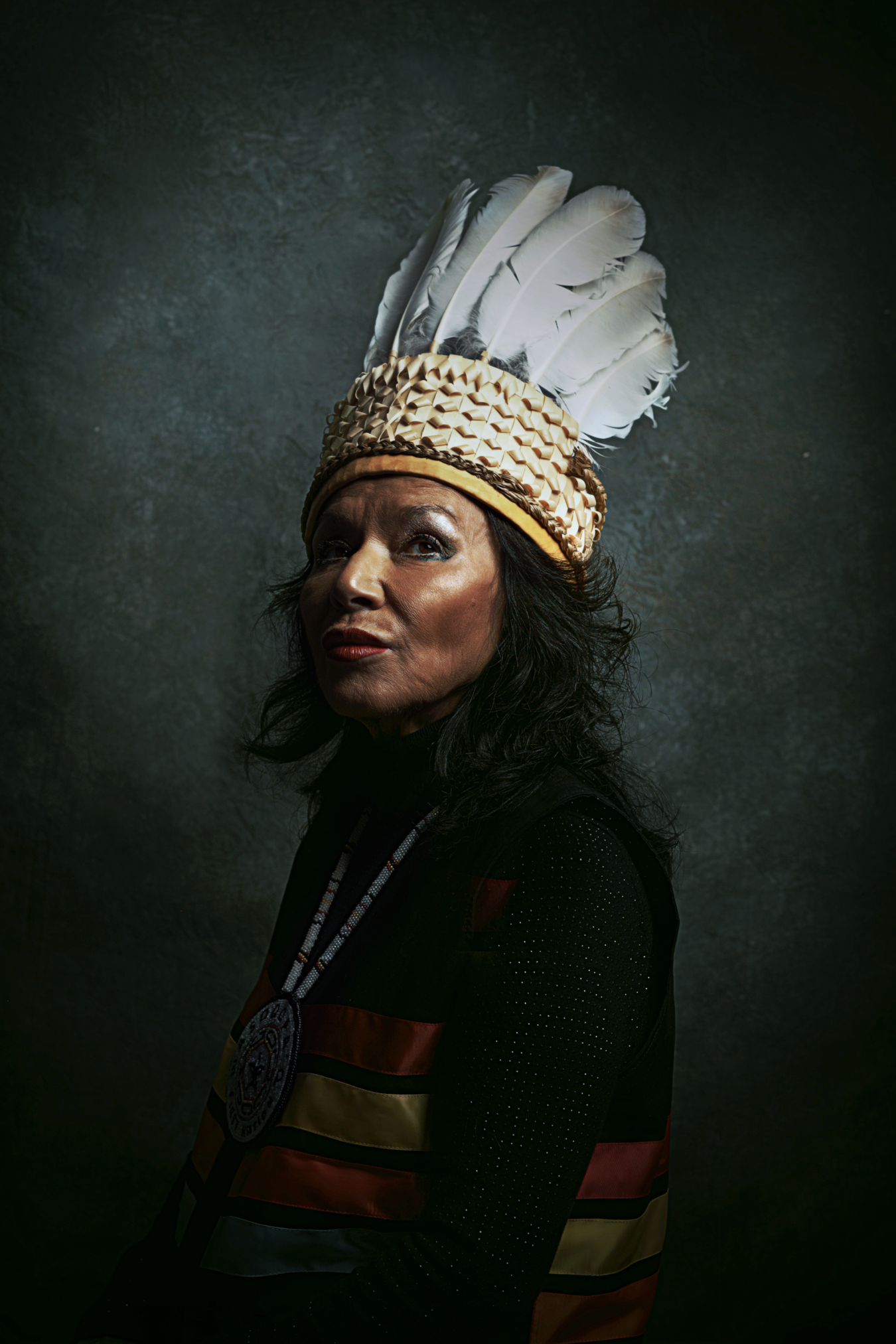
Chief Deborah Robinson was elected as Chief in 1987, and has consecutively held this position since. Growing up in Yarmouth NS, Chief Robinson is the second eldest to Mikmaw parents, Louis and Viola Robinson. Robinson is deeply influenced by her mother’s wisdom, knowledge and political background and her late father’s tenacious ethics, honesty, kindness and hard work. Chief Robinson resides on the Yarmouth Reserve with her husband David, where she raised her two children and now shares time with her grandchildren.
From a young age, Robinson made a decision and a commitment to the Mi'kmaq people she serves to give 100 percent of herself, a devotion and commitment she’s proud to have taken on. Her leadership role is not her profession, it is her life, her passion and her purpose.
Chief Robinson has tremendous gratitude for the People she serves and holds the honour of representing. Giving Thanks to Creator each day and continuing to seek guidance through prayer are important values that contribute to this meaningful journey she is on.
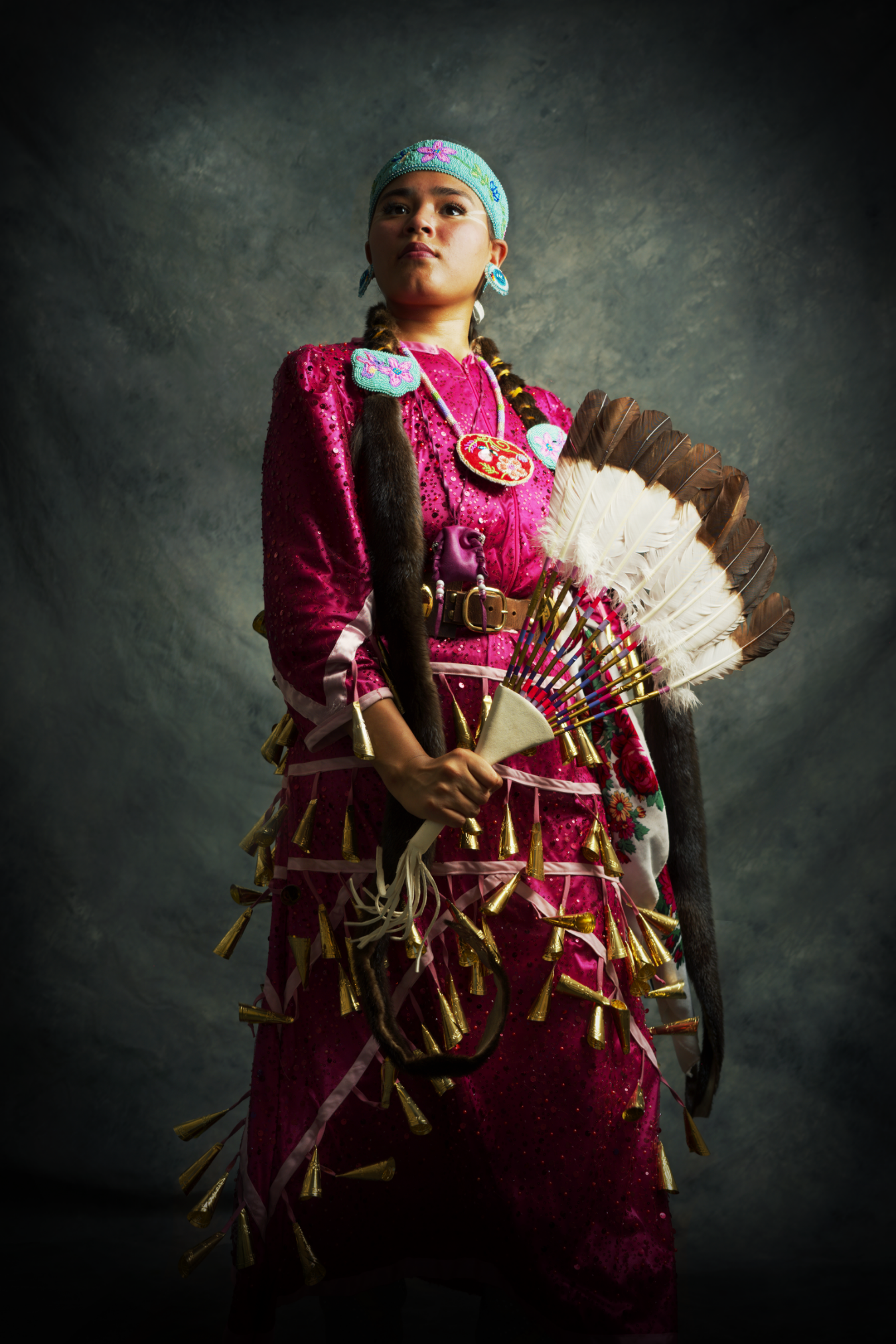
Tilda Googoo
Grace Berry
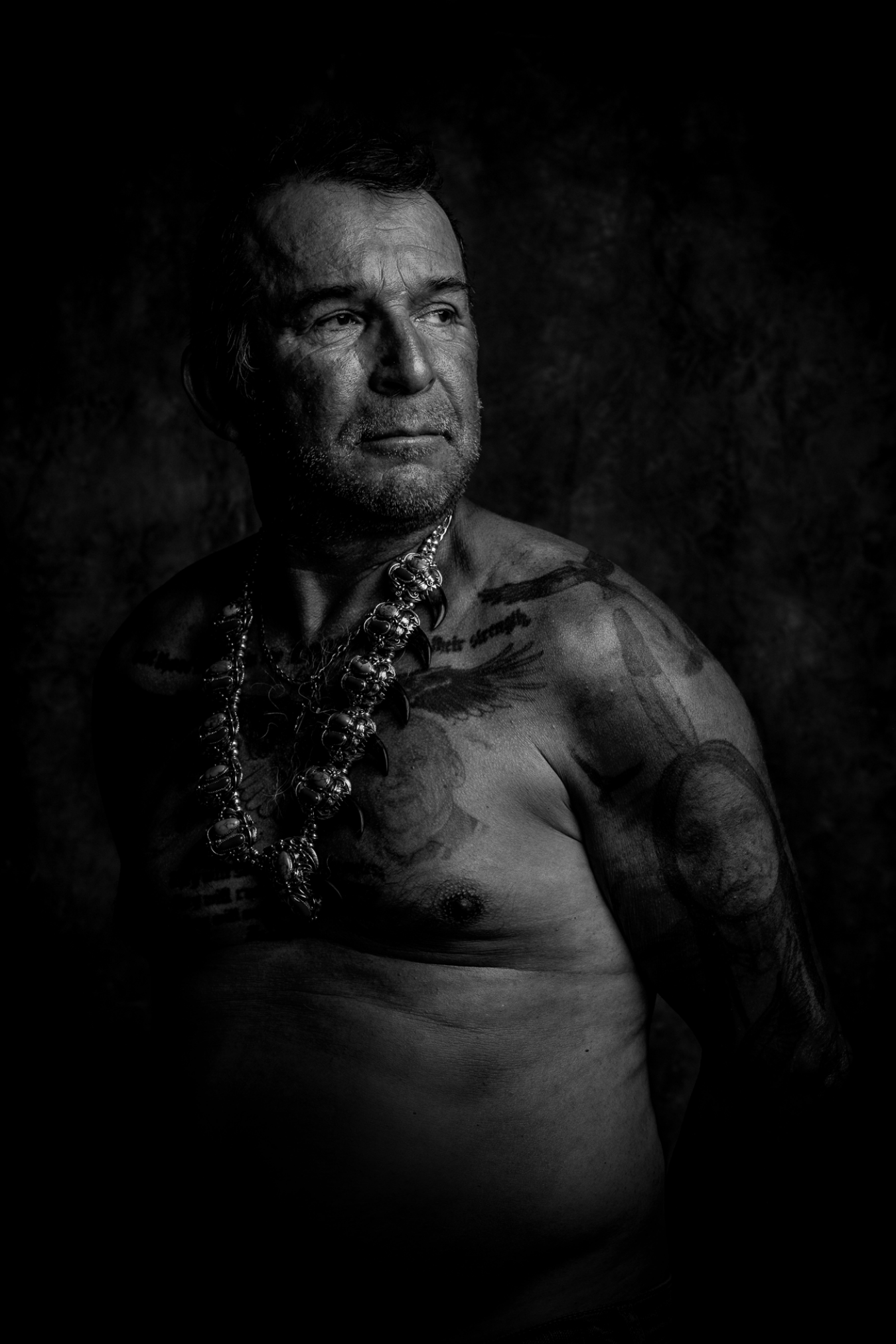
Murray Robinson
I am a member of the Wasoqopa’q First Nation . I am a proud sober Mikmaw man who takes pride in his sobriety journey and likes to help others in their recovery.
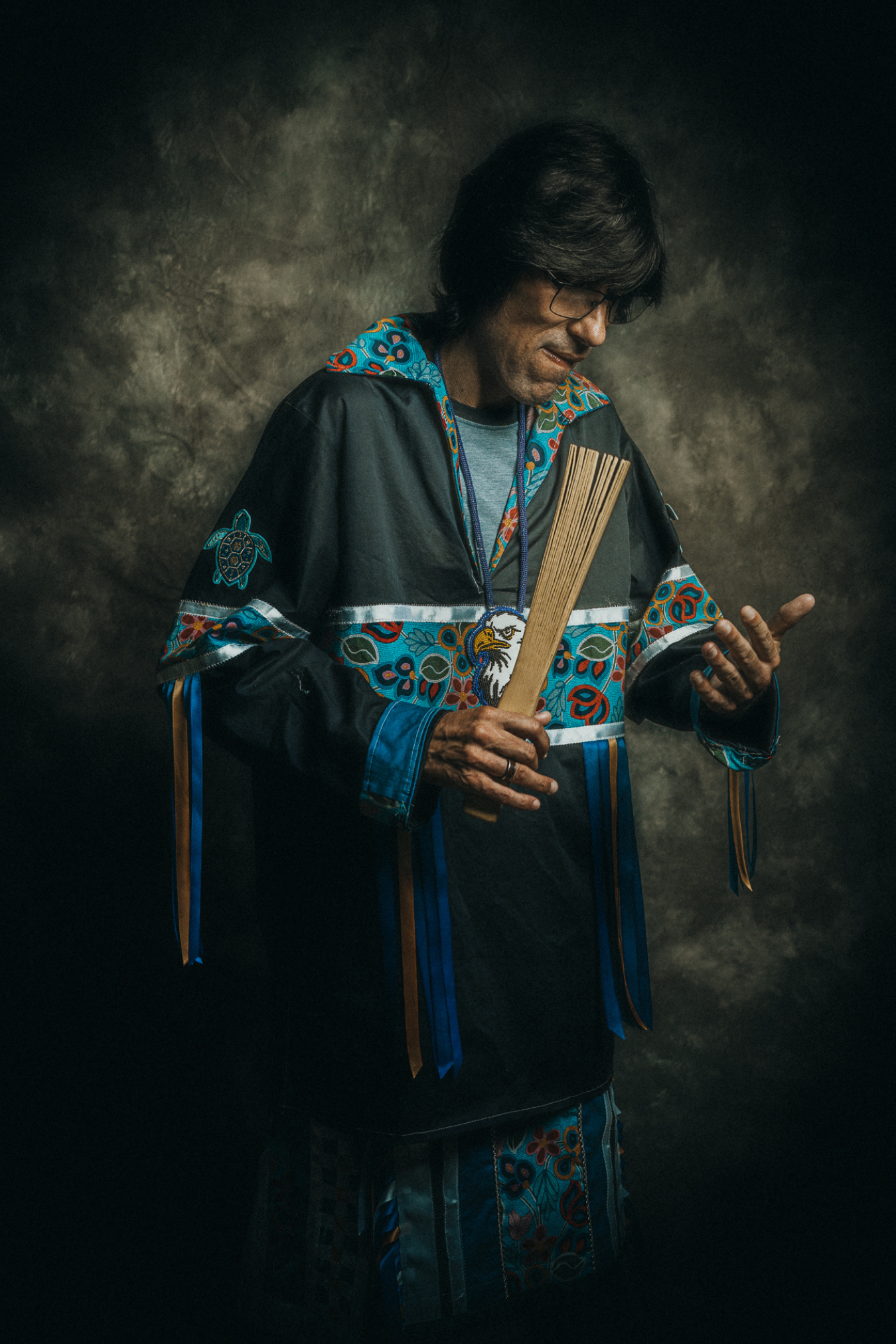
James J Jermey
Sit down and let me tell you about myself. I was born to two Mi’kmaw parents, James Francis and Sherry Jermey. I reside on the Wildcat Community. I am the grandson of a Shubenacadie Indian Residential School survivor and I am the grandson of a murdered Mi'kmaw woman. I will always make sure her name is spoken. Genevieve Joyce Labrador Francis. She was 43 years old. She was murdered trying to break up a fight in the town of Liverpool, Nova Scotia. I was three years old. My Francis family has paid the price for being Mi'kmaq. I am relearning what they couldn’t, giving back my grandmother’s voice.
When I was in my teens an elder who is now in the spirit world came to me and said, “So you want to learn our language and songs, eh? Well, you have earn to carry our heartbeat of Mother Earth. You have to earn to carry our medicine pipes. Sit down and let me teach you,” she said. That was just the beginnings of my teachings of who I am as a Mi'kmaq man.
I was taught to sing our songs and I was I was taught how to sweat in our sweat lodges. But it wasn’t until I got older in life that all the teachings she left with came together. I learnt who I was. All this has played a part in shaping me to be the person I am today. Now I am a ko’jua dancer. I always wanted to learn how to dance it, and one day I was shown it and was told, now keep doing it. Today I have had the honour of dancing with some of the finest Ko’jua dancers there are. I travel the pow wows when I can and I dance our oldest dance that has survived European settlers. I am also a strong advocate for our Mi'kmaq people . I don’t hold shit back - if you want my opinion, you will know where I stand. I am raw and to the point. You see me in my regalia this is my pride and joy. It is an honour to wear it, and to me it means carrying myself with pride and honour. I have to humble myself when I wear it. It represents my two godsons who are grass dancers, it represents my three nephews who are my pride and joy and it represents me and my family.
When I dance, I dance for my family, for my community, for my people, for kiskulw (Creator) and for our ancestors who couldn’t and can’t dance, and for us to heal and for me. I carry a pipe and I use it when I need to pray, I smudge and I practise our ways. I make mistakes, but I learn this is how we learn. Today and every day I am proud to be a Mi'kmaq person I never wavered and I will never waver from being Mi'kmaq. My heart is Mi'kmaq. Msit no’kmaq
Wela’lioq
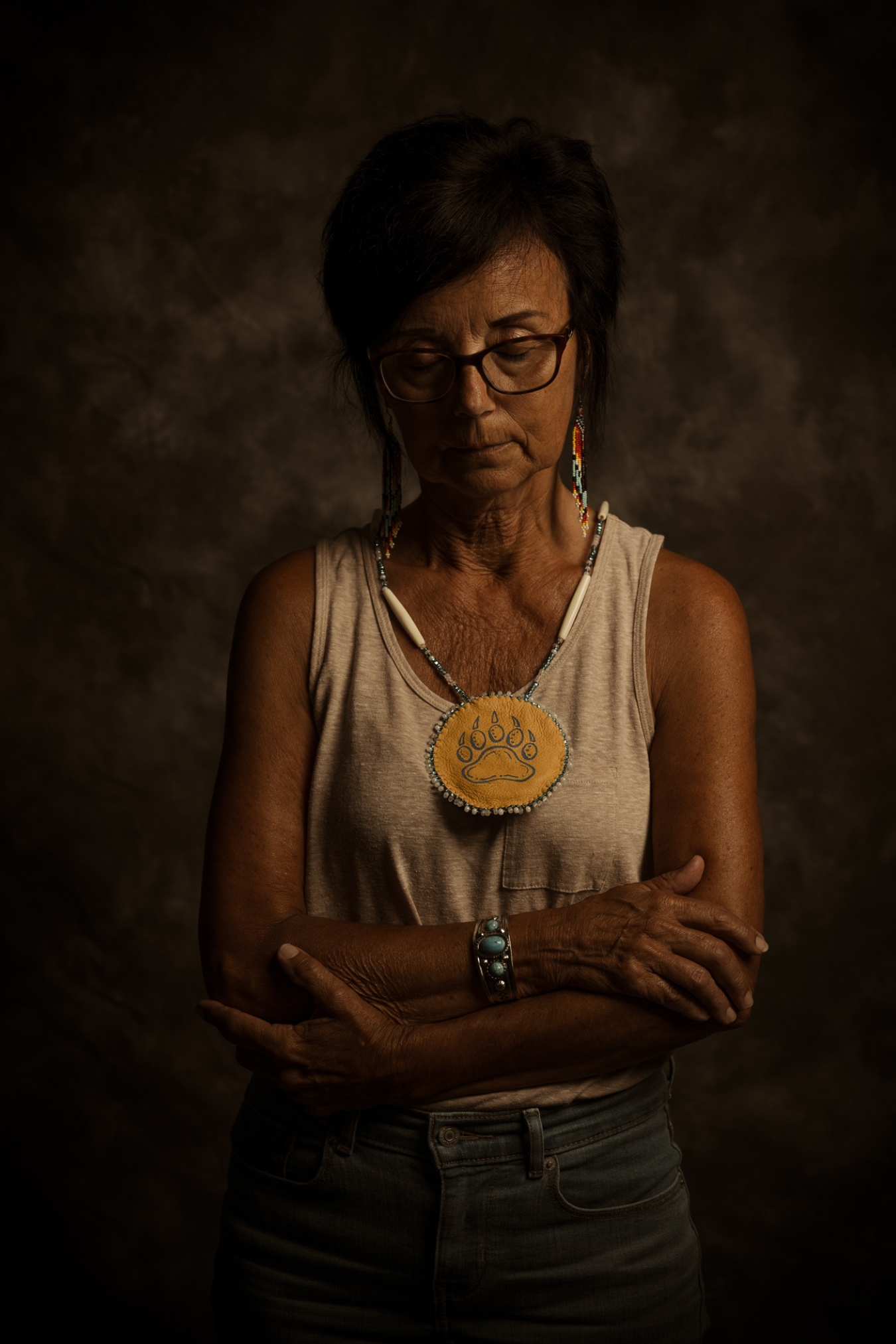
Pam Westhaver
Kwe’ My name is Pam Westhaver and I am a band member with Wasoqopaq First Nation. My grandmother lost her status when she married my grandfather so none of her children had their status. This was a familiar story in my culture and I know it wounded her deeply. As a child I knew I was indigenous, but felt somehow that my cultural identity had been stolen . Years later, when legislation restored our status to us, it was bittersweet; I was sad to have lost so many years. Now, I am a basket maker, having been taught by a respected elder, and it is so satisfying to walk the woods harvesting materials, creating and teaching my craft. Life has come full circle. I was bent but never broken. Wela’lin
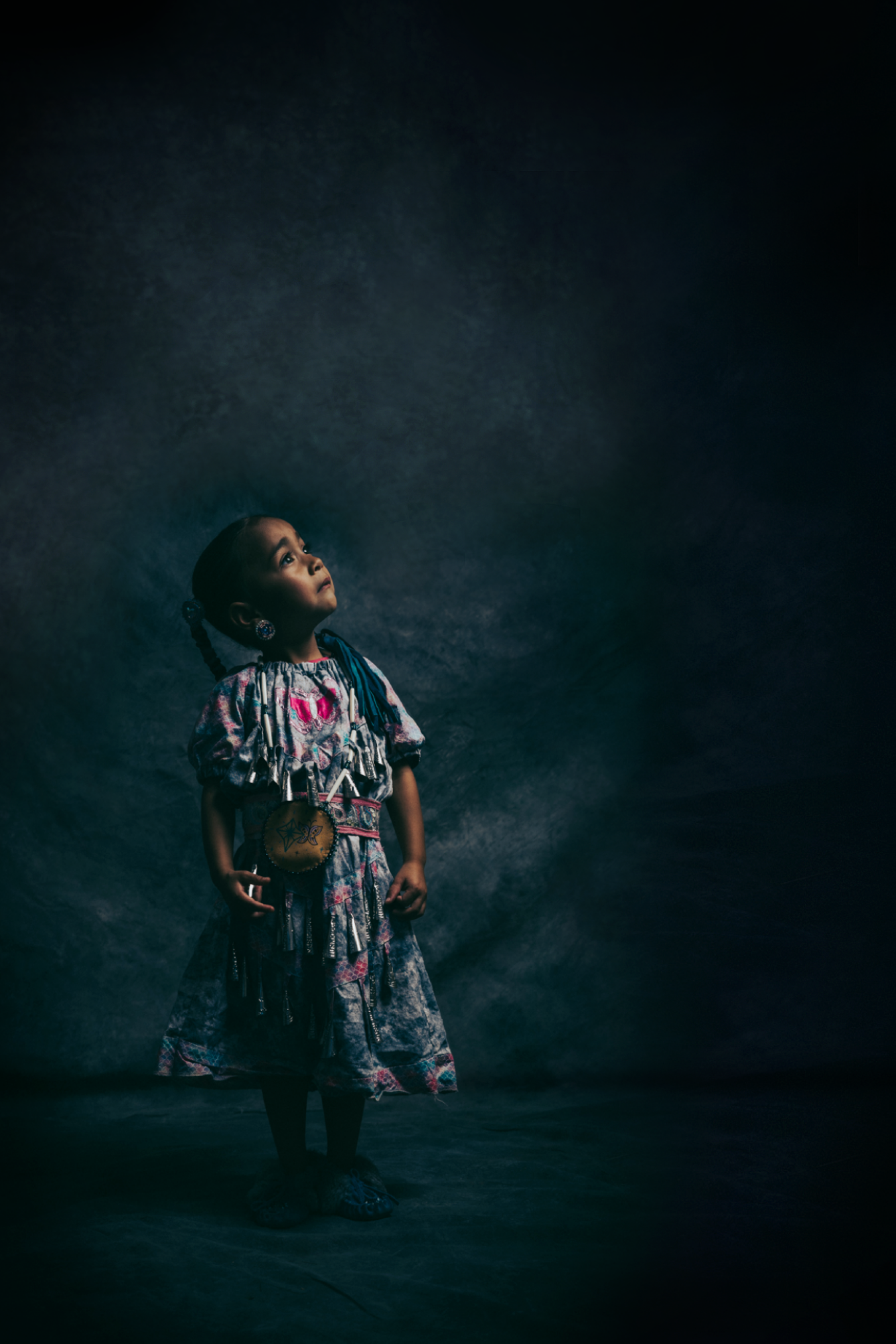
Summerlee
My name is Summerlee. I am four years old, and I am Mi'kmaq and Filipino.
I went to my very first powwow when I was only three weeks old. An Elder told my mom that I was going to be a dancer someday. My mom didn’t believe her because my mom is really shy and she doesn’t dance!
When I was one, I was gifted my regalia, and I have been dancing in it ever since. I love dancing at powwows! I also dance ballet and tap. I love to sing, perform, make people laughand put smiles on their faces.
I am really little for four, and lots of people think I am only two. Being so little has sometimes made my asthma harder to treat. I have had lots of hospital visits while my doctors worked to help me breathe better, but I never let that stop my big personality from coming out.
I love learning new words in Mi’kmaw and Tagalog. I love my cultures, I love to dance, and I am very proud to be Mi’kmaq and Filipino.
And even though I might be little, I have a really big spirit!
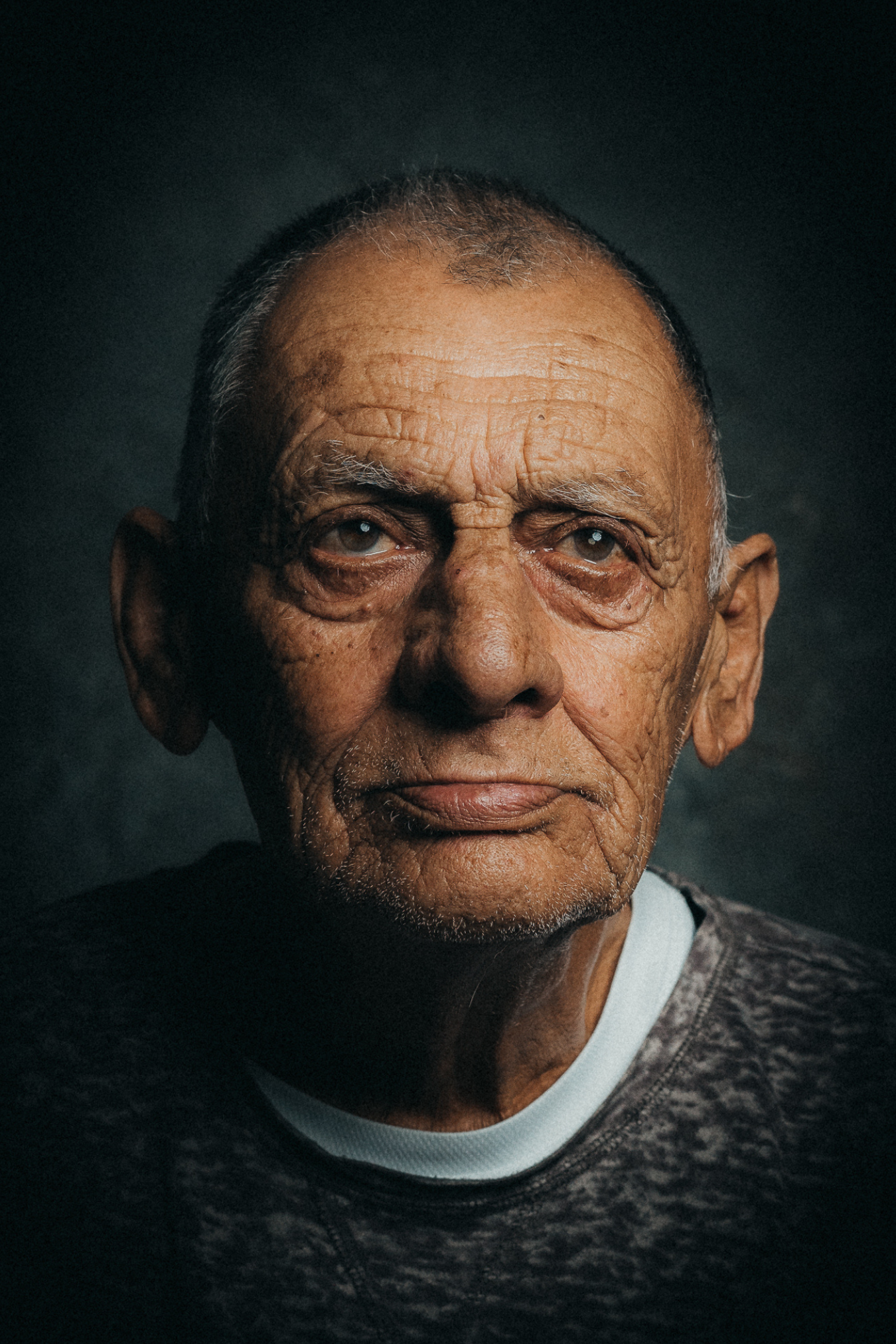
Bernie Pictou
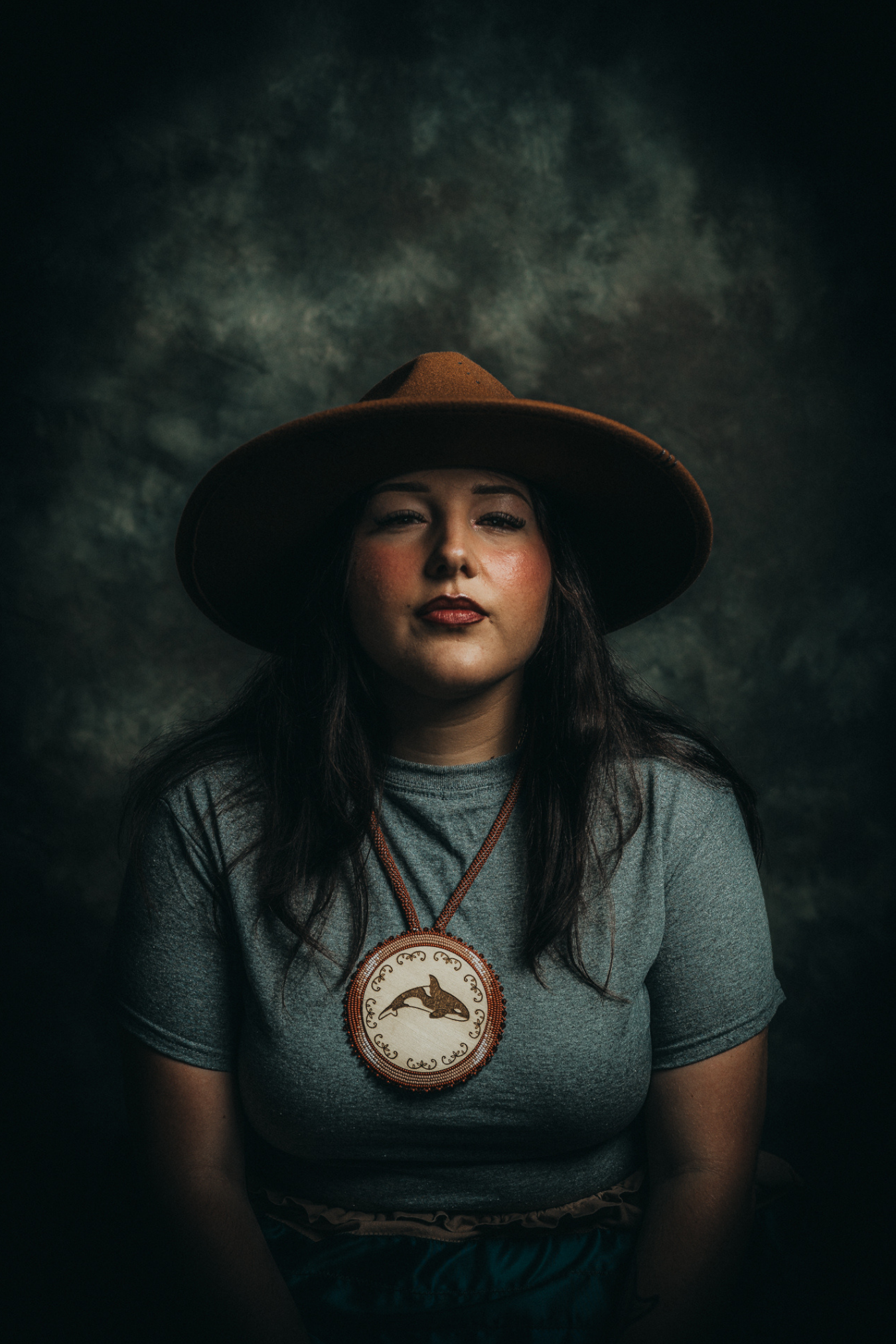
Kinsey
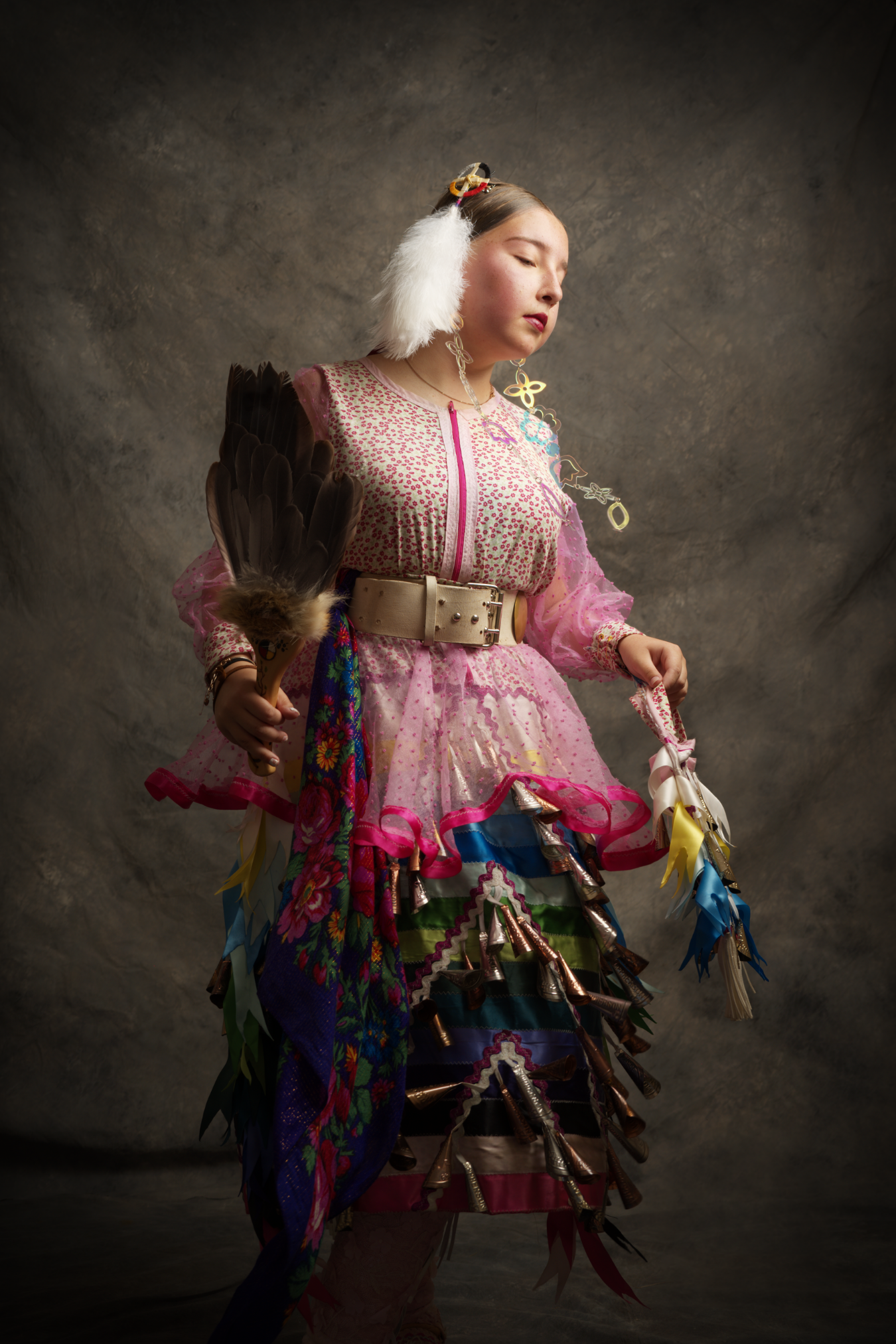
For the majority of my life, I was made to believe my anger was something I needed to fix. People would tell me I was mean, rude, disrespectful, aggressive, and that I should be kinder and softer. I grew up in a predominantly white town, within Colonial systems, that made me painfully aware of the fact that I was an “angry Indigenous woman”. I realized how easily this stereotype was used to dismiss me, rather than being asked why I was angry.
I felt like I had this constant rage inside of me. I was angry at the systems that harmed my people, the injustices we face, our history, and the ongoing racism. I was angry every time I would hear an ignorant comment from someone who didn’t try to understand my people. For a long time, I carried that rage, unsure of where it was coming from, and without knowing how to face it. At the same time, my father and grandfather were sharing traditional knowledge with me. These teachings connected me to my culture and our people.
About four years ago, I began a healing journey that changed the way I understood myself. I realized that the anger was a result of generations of trauma and my lived experience. I came to believe that my anger wasn’t something that needed to be fixed but rather something to listen to. My anger came from love - love for my people, my community, my culture, my family, and for our future generations. I began to see my anger as sacred.
Being an “angry Indigenous woman” was no longer something I needed to change, but one of my greatest strengths. I learned to carry my anger differently and turn it into action. I now embrace advocacy, education, speaking up, and having uncomfortable conversations. My anger is a reminder that I care deeply and hold a responsibility to use my voice.
This isn’t just a picture of me. It’s a photograph that represents my ancestors, my family, my community, and those who helped me find my way. It is a result of generations of strength, survival, and knowledge. It is a promise of resilience.
Kyra Julian
Going to powwows every year is something I look forward to; there aren’t many in the winter, so I use that time to create pieces for the summer. I enjoy seeing my family and friends on the powwow trail. To me powwow isn’t just about the vendors, food, winning or the money, its about coming together with everyone and having a fun time, seeing different styles , different footwork and seeing dancers come from all around the world. Meeting new people, seeking new opportunities to showcase my style. When I dance, my confidence boosts every time, and I love seeing my progress every time I dance.

Dancing makes me proud. I dance for those who couldn’t and can’t dance; I dance to heal others and myself. I use all types of footwork designs so it shows we all have a different style of dancing and that it’s okay too.

Hearing the drum beat, singers, the laughter, different sounds coming from different regalia’s is special to me; hearing them reminds me that we are still here and we are going to be here forever.

Jingle dress dancing is healing, and when I dance, I pray for people who are sick and for everyone’s well-being.

I like to encourage others to dance and make their own regalia; seeing new dancers warms up my heart. It takes a lot of courage to dance. From time to time, I have moments where I realize how lucky I am to live this.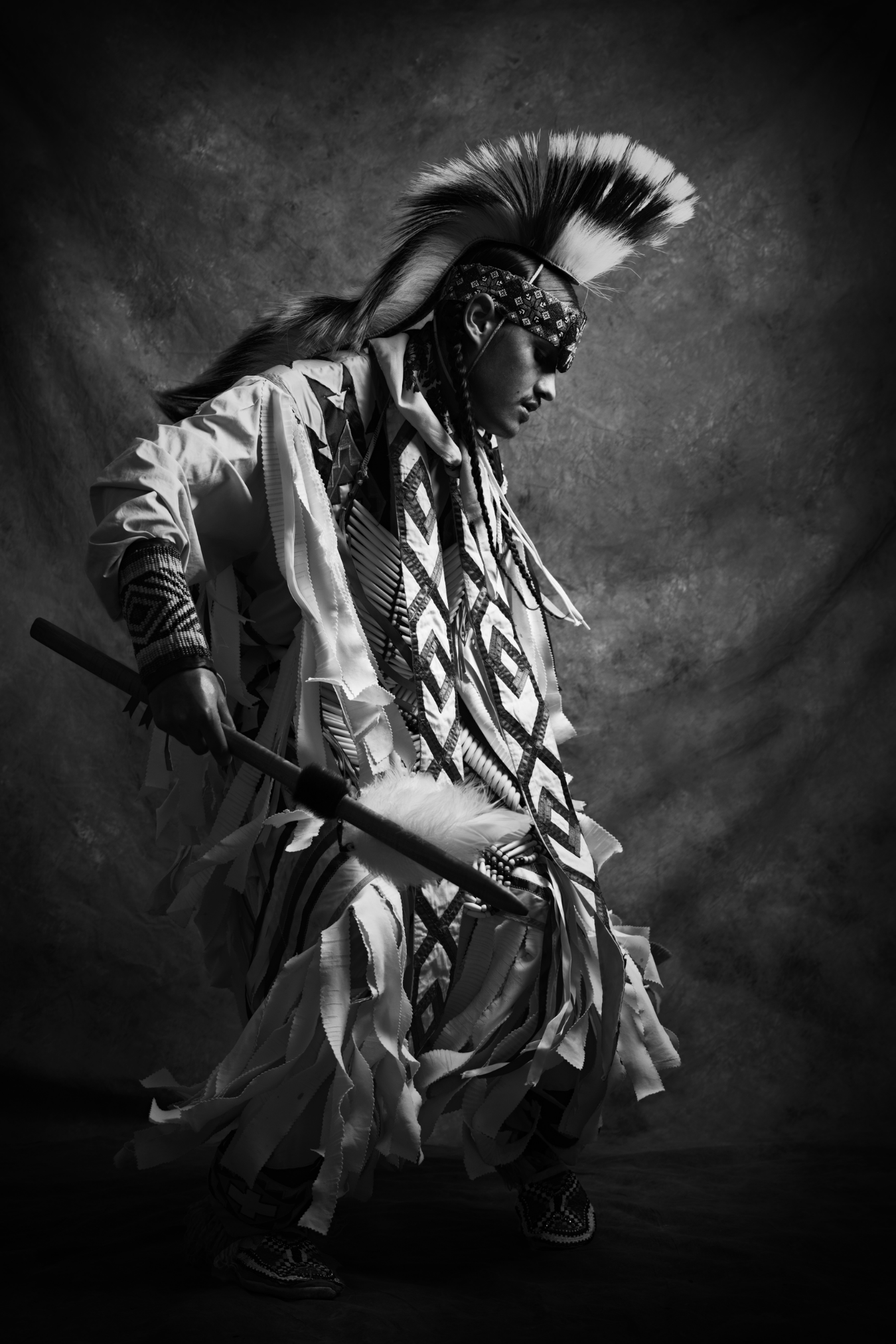
Mark Morrison
Hello everyone my name is Mark Morrison. I'm someone who enjoys making memories, having a good laugh, and I like spending time with people who matter the most in my life.

I am 20 years old and I started dancing at powwow’s about 1 year ago and I am a grass dancer. But I’ve been attending powwows for about
3 or maybe 4 years now, I started going to powwows because of my beautiful girlfreind Kenzie and her family, and I always had the urge to start dancing but I’ve always been really nervous. But just last year at a powwow in Wemotaci I had gotten offered a regalia to dance for my first time, I was very nervous but it was a big opportunity for me so I took it and it was the best experience.

After that day my whole life just changed and every powwow I go to. I dance as hard as I can and have as much fun as possible. So I am very grateful for my girlfreind and her family if it wasn’t for them i don’t think I’d be dancing or even just attending powwows as much as I do nowadays, and I will continue to dance proudly for the rest of my life.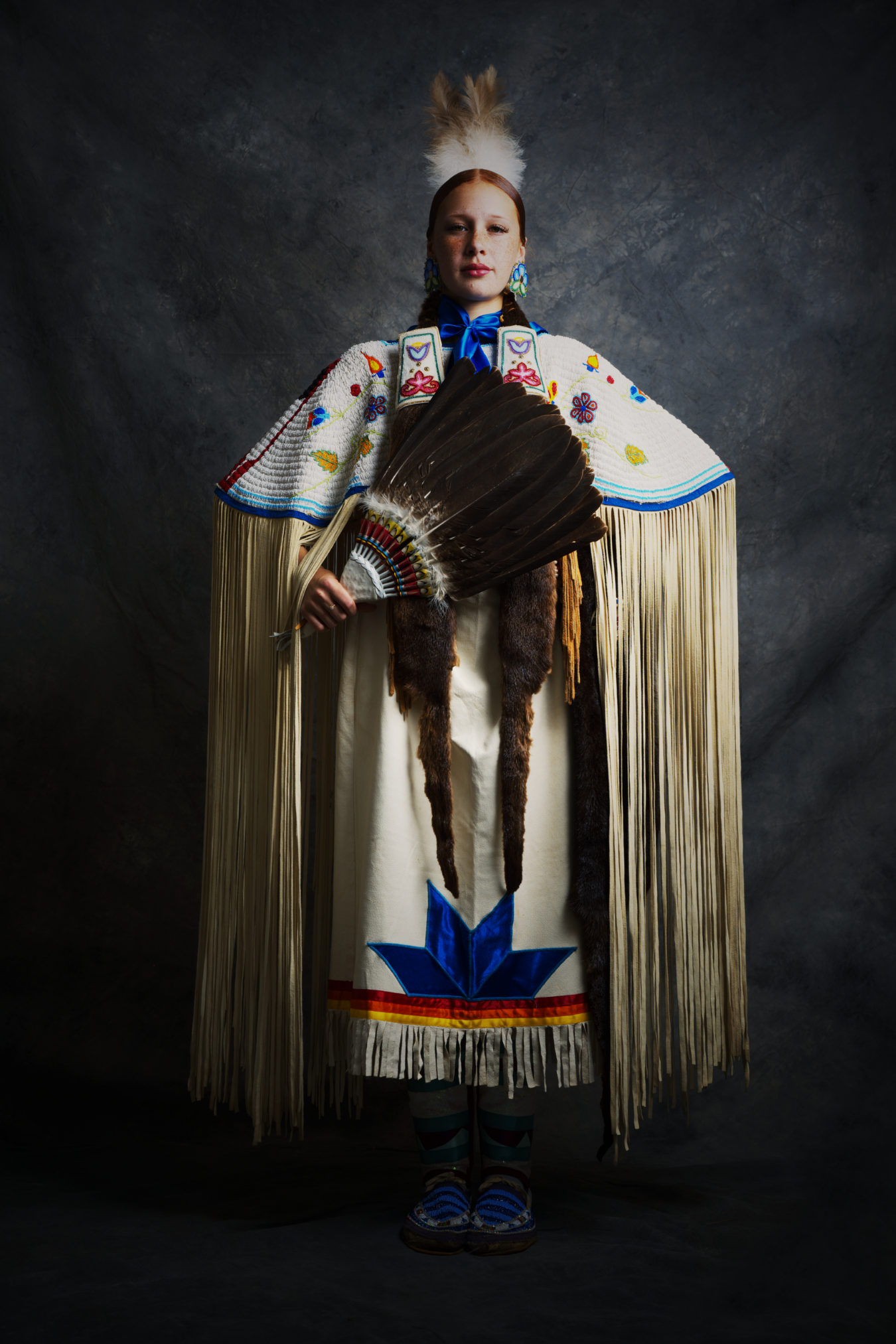
Kenzie Madahbee Bouge
Josie Purdy
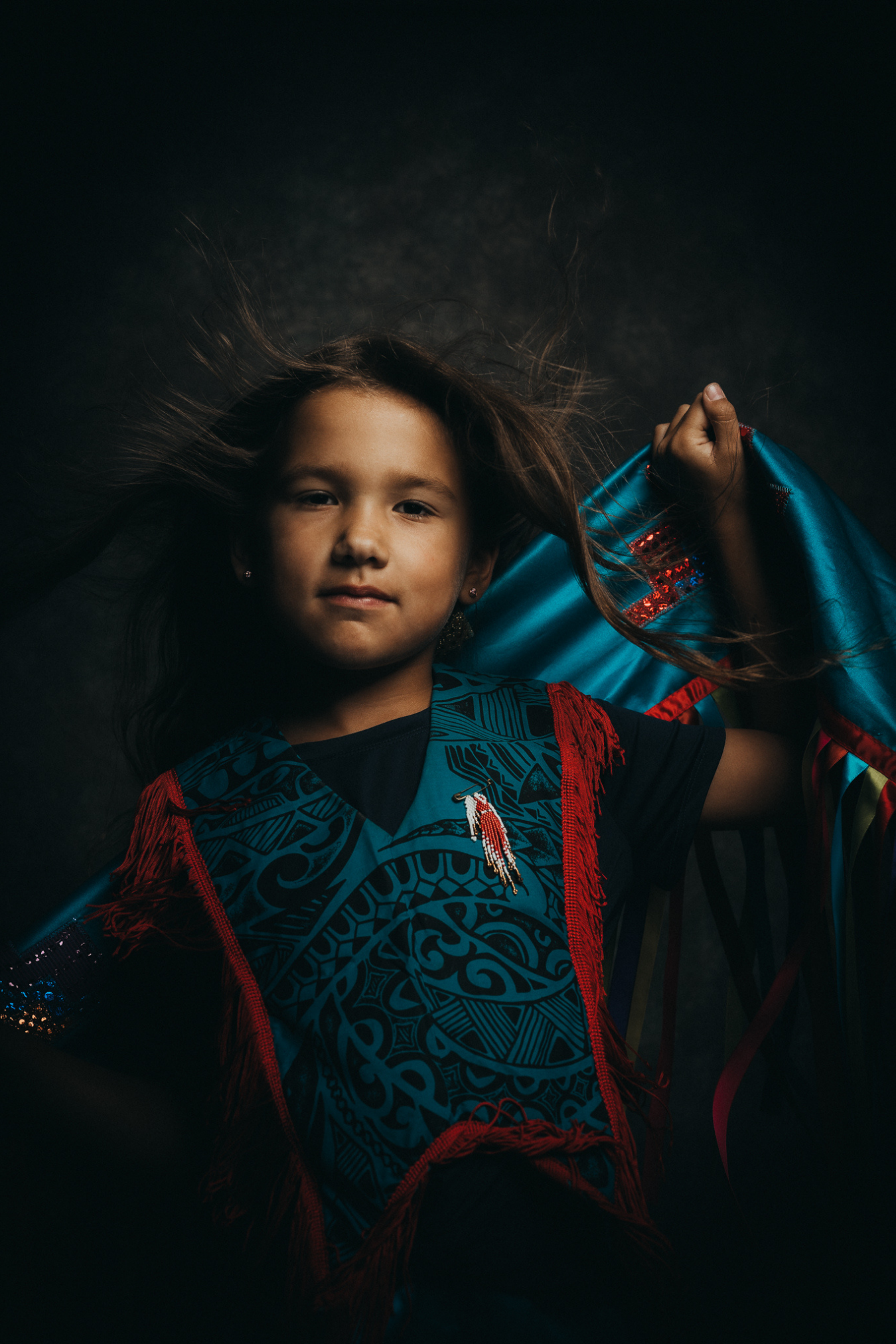
A Gift from the Spirit Road
My name existed long before I was born. I was named for two strong women who came before me—my great-grandmother on my mother’s side and my great-grandmother on my father’s side—two very strong Mi’kmaw Women. But my story began long before anyone ever held me in their arms. Thirteen years before I was born, my mother and father would sit together and talk about having a baby. They would dream and wonder about who that little person might be. And somehow, whenever they dreamed, they dreamed about a little girl. They already had a big family. My father had two children, and my mother had three. Their lives were busy and full of children, family, laughter and love. But still, they dreamed of me. For ten years, they hoped for another child. They waited. They wondered. They prayed.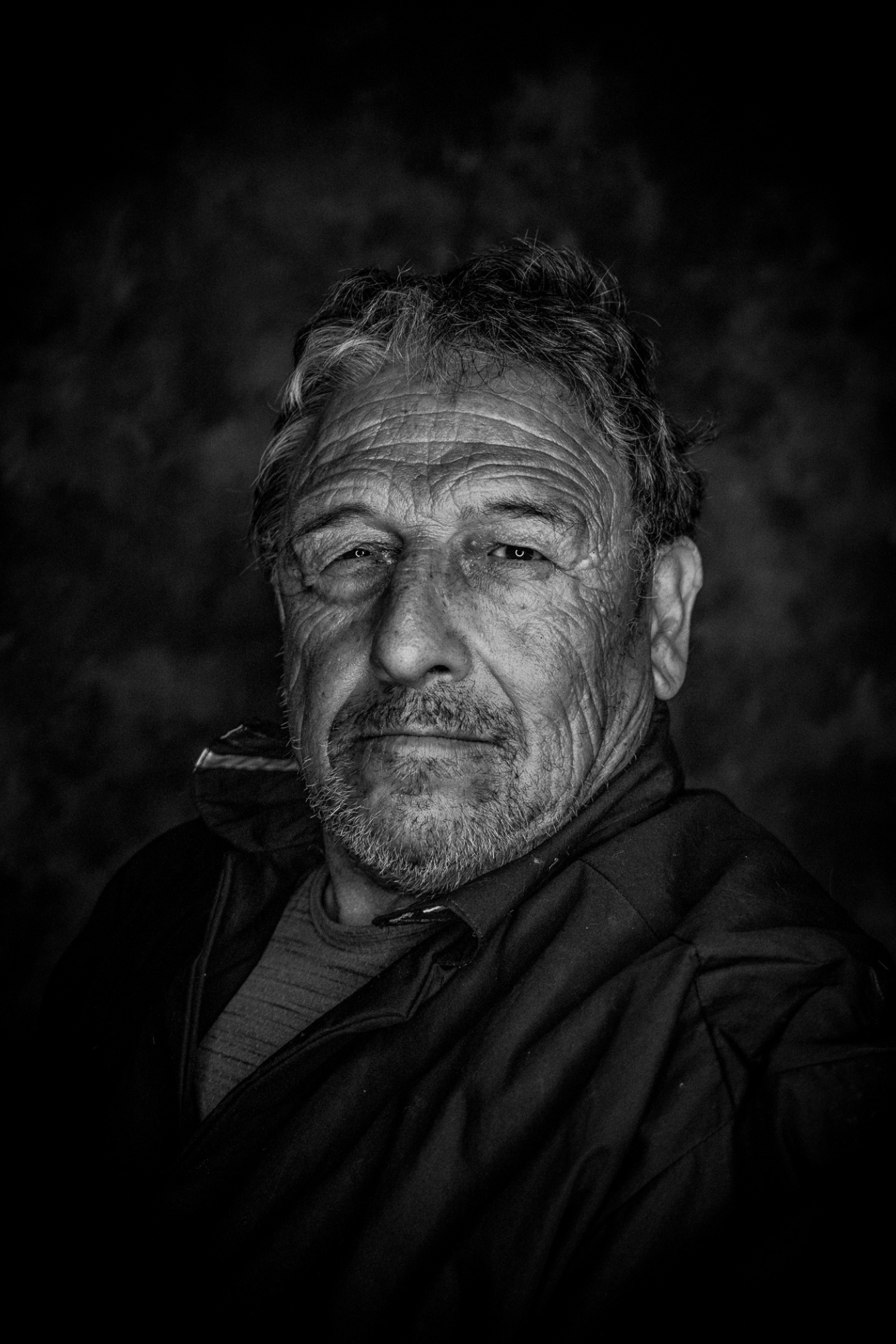
James Francis Jermey
Growing up in rural community with 5 siblings, I learned how to do things for myself. Life wasn’t easy but looking back it was some of the best days of my life. Hunting, fishing, trapping and exploring the river and land filled my days. Spending those days with my Father and Grandmother mean the world especially since they are no longer here.
My journey took me to Newfoundland for a few years and now that I have returned to Nova Scotia, I operate a Greenhouse in Wildcat Community to support food security for our members.
Struggles come and go, and my connection to the land and river in this community remains strong.
Amanda Robinson
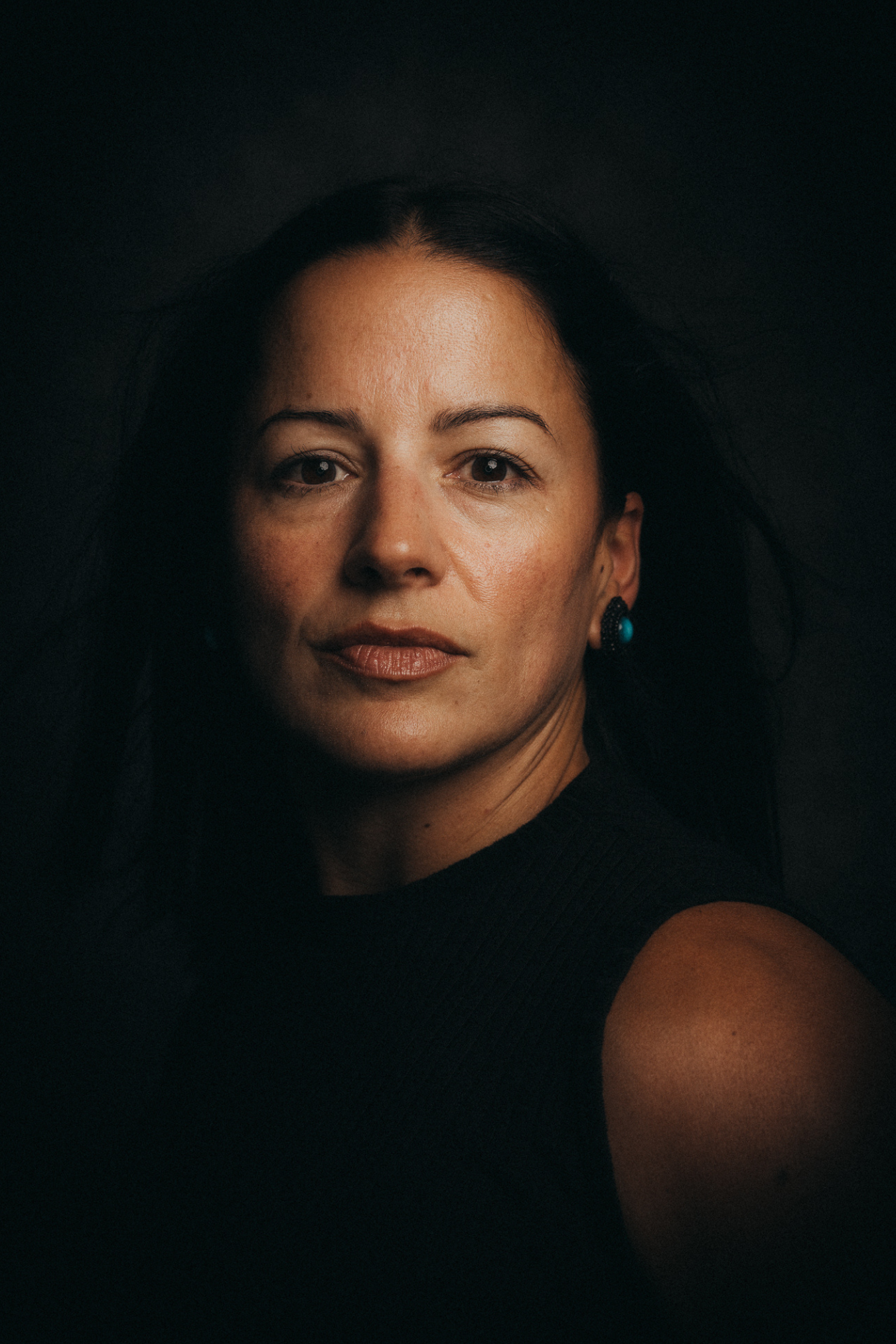
Growing up in Yarmouth, I spent years suffocating under labels that didn’t belong to me. Society handed me a script of who I was supposed to be: a stereotype, a tragedy, someone destined to be lesser. Those toxic assumptions were constantly pushed onto me, even into adulthood, forcing me to carry a heavy, inherited shame for just existing.
This portrait is the visual record of me stripping away the false narratives I was forced to wear and reclaiming my own truth.
The face you see is not a stereotype or a statistic. I am looking directly at a society that tried to define me, and forcing it to see me exactly as I am—unfiltered, self-determined, and completely my own.
Lacey Pennell
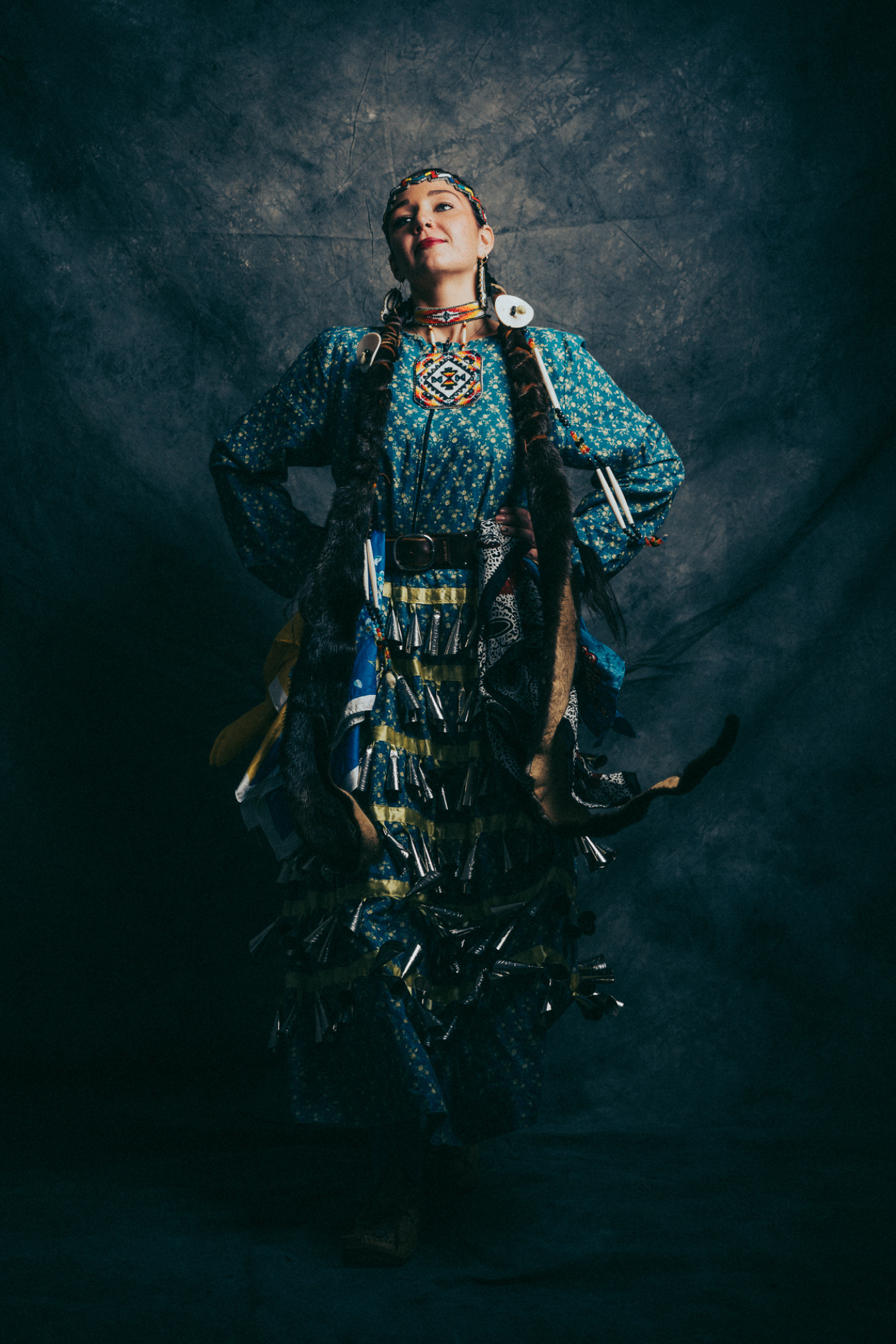
There is very little about me that began with me. The stories I heard growing up, the values I carry, the ways I understand the world, and even the strength I rely on were shaped by the people who came before me and the community that continues to surround me. Family, friendship, and culture leave their mark in ways both visible and invisible. As a young Indigenous woman, I carry those influences with me every day. They live in who I am, and they stand as a reminder of the resilience, connection, and continuity that have carried our people forward. In many ways, my journey has been one of learning to recognize those gifts for what they are.
Wela’lin
Crystal Jermey
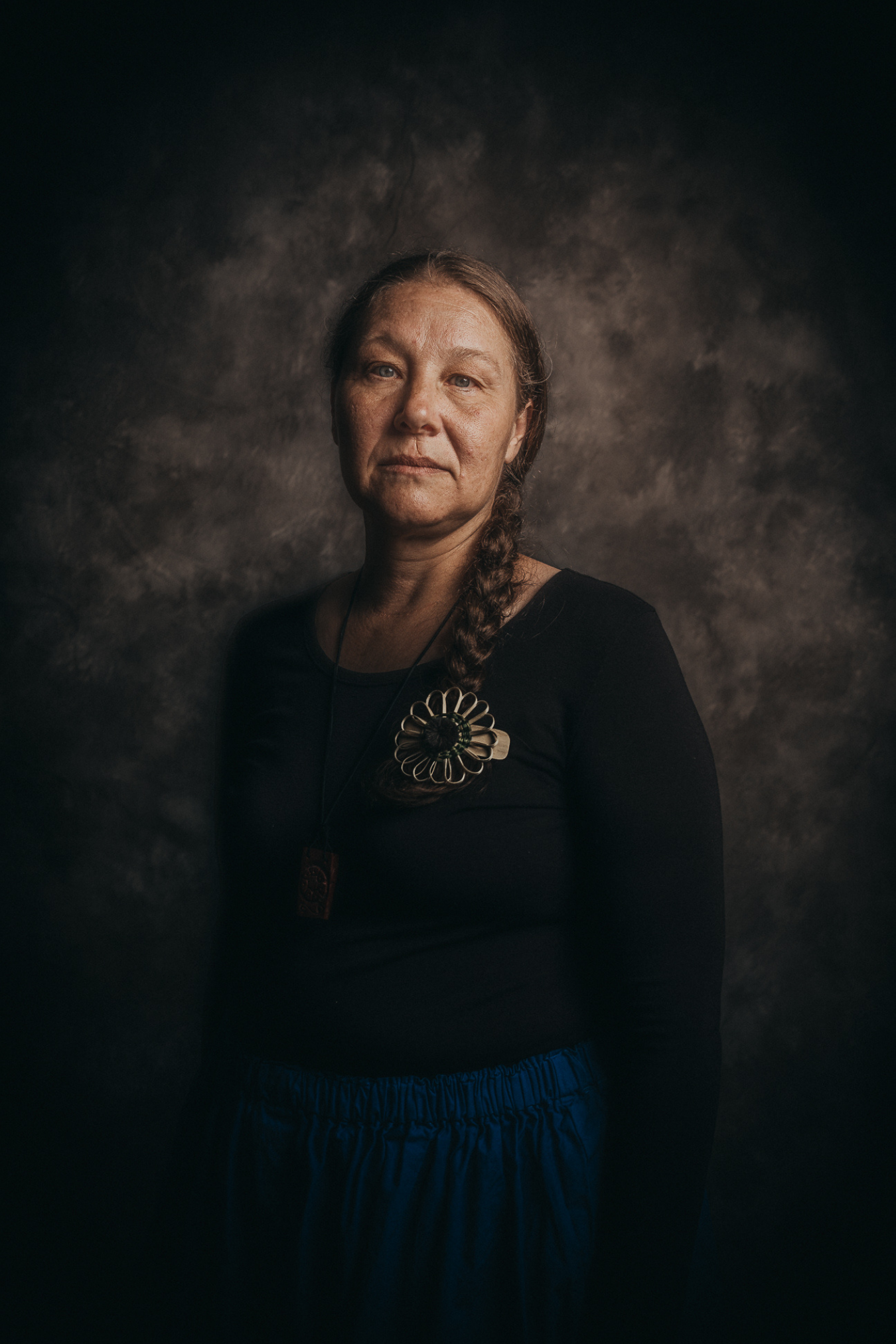
What makes me a strong Mi’kmaw woman is my deep connection to the land, my family, and the teachings passed down through generations.
My connection to the land began before I could walk. Growing up in a family of hunters, trappers, and guides, I learned from a young age to respect the land, animals, and all that Mother Earth provides. My Gramp, Frank Jermey, taught me how to harvest responsibly, live from the land, and understand our responsibility to protect it for those who come after us.
His teachings continue to guide me through life. When I face challenges, I carry his wisdom with me, and when I need guidance, I look to my ancestors. Their teachings, love, and connection to the land are a part of who I am and what makes me a strong Mi’kmaw woman.
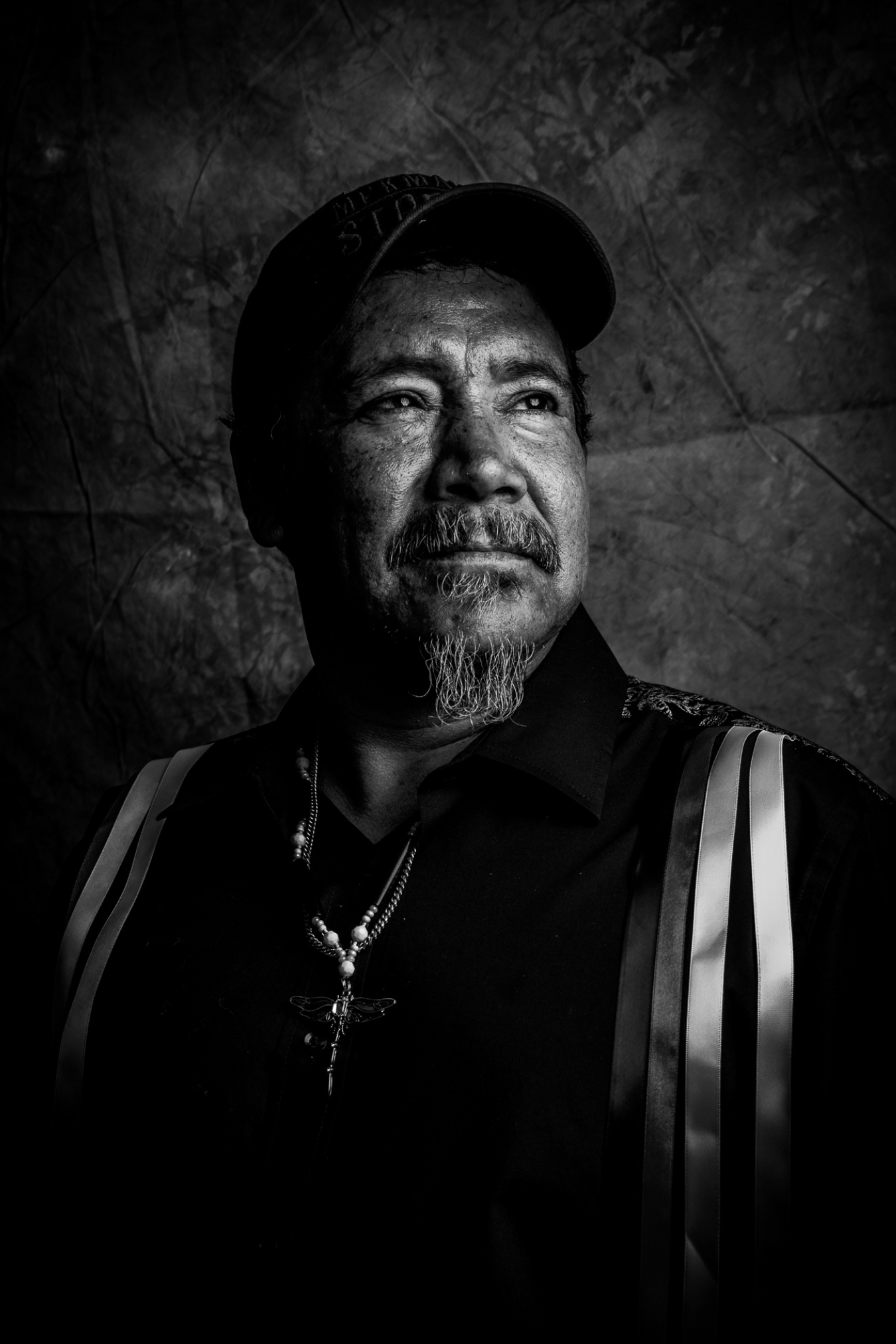
Darren Bernard
He remembers being in elementary school, not being allowed to speak the language and not allowed to gather in groups, had a scatter on his. He got hit on his hands with a ruler feels he was picked on because of his Cullah wasn’t allowed to speak English before school and was forced to only speak English Signed by parents. Teacher didn’t believe it was parents and yelled and hallowed until he falsely confessed.
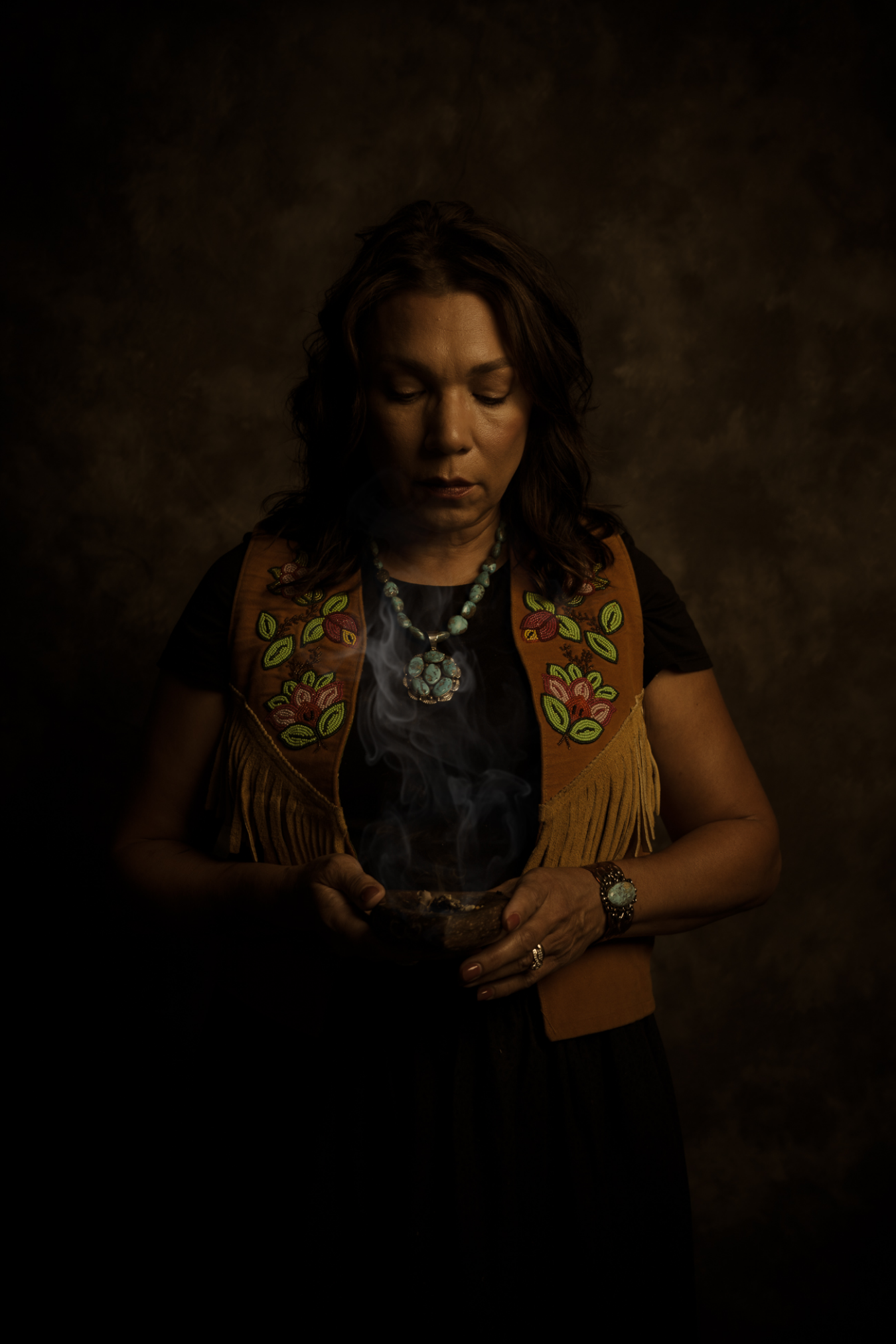
Melanie Robinson
I was born in Rockville, Nova Scotia, along the craggy cliffs of Yarmouth. I was the youngest of seven children, and from the day I entered this world, my life was filled with love. Although I was born in Yarmouth County, I was raised in Colchester County,
where our family maintained close ties with the Mi’kmaw communities of Sipekne’katik, formerly known as Indian Brook, and Millbrook. Much of my young life revolved around the teachings of my father. He was a strong Mi’kmaw man who worked in the woods and made axe handles with his own hands. I watched him closely and learned from the way he lived his life. At the same time, I watched my mother, Dr. Viola Robinson, dedicate much of her
life to fighting for the rights of Mi’kmaq, particularly off-reserve Mi’kmaq and for the recognition and protection of our Treaty Rights. These were the people who raised me. From my father, I learned through watching, listening and doing. From my
mother, I learned what it meant to stand up, speak out and keep going even when the road was difficult. Together, they gave me teachings that I would not fully understand until much later in my own life.
My childhood was filled with love and teachings, but adulthood brought lessons of a different kind.
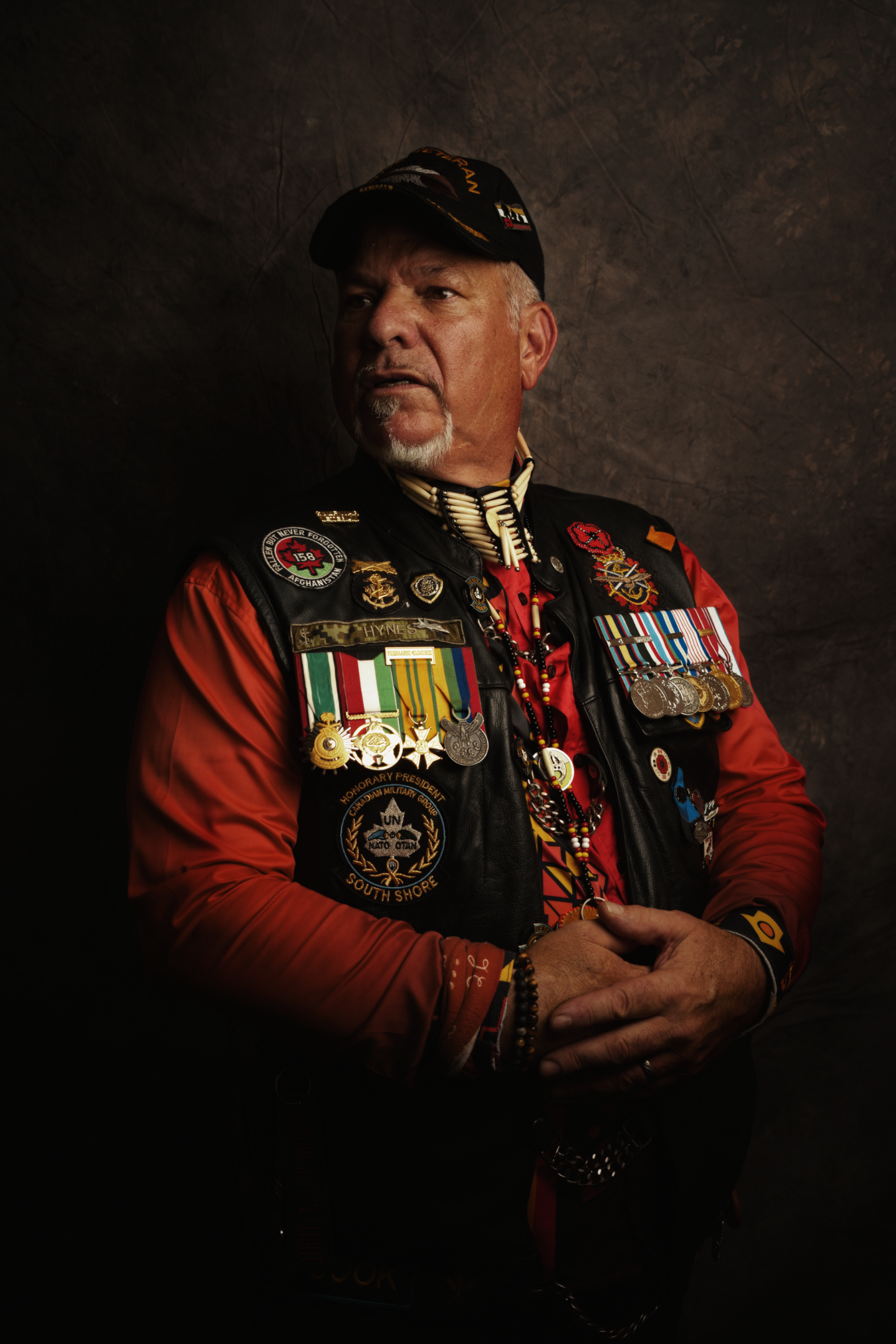
Jerry Hynes Raymond
A Life of Service and Leadership
Gerald R. Hynes is a dedicated leader, veteran and community advocate with a lifelong commitment to service. With a career spanning military service, civilian leadership and volunteer work, he has made significant contributions to both national defense and community development.
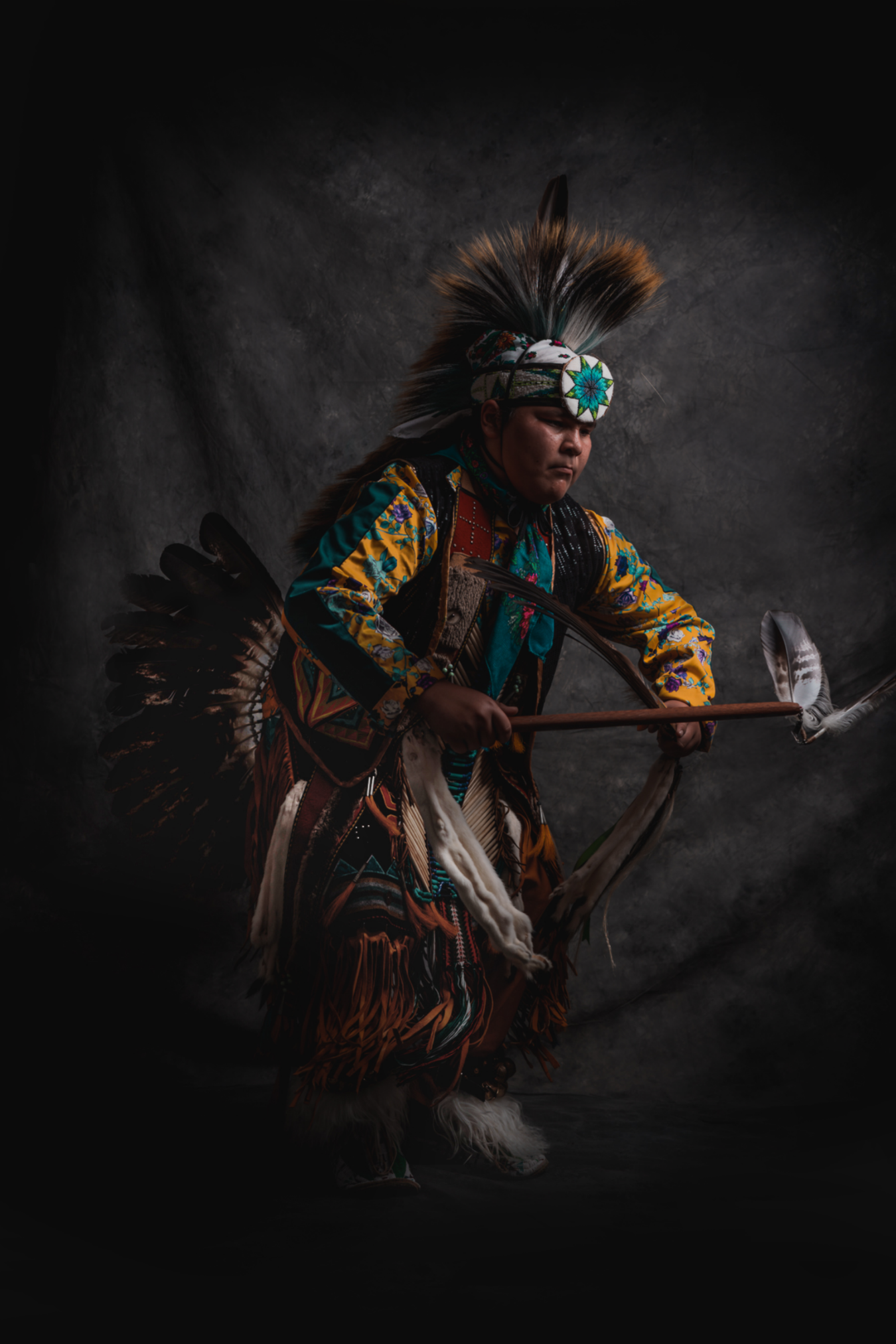
Jarred Simon-Ward
My name is Jarred Simon-Ward. I’m from Elsipogtog First Nation. I’m 14 and have been dancing for 4 years now, and I also sing.
I dance because I pray for everyone who needs help. I dance because it heals my spirt.
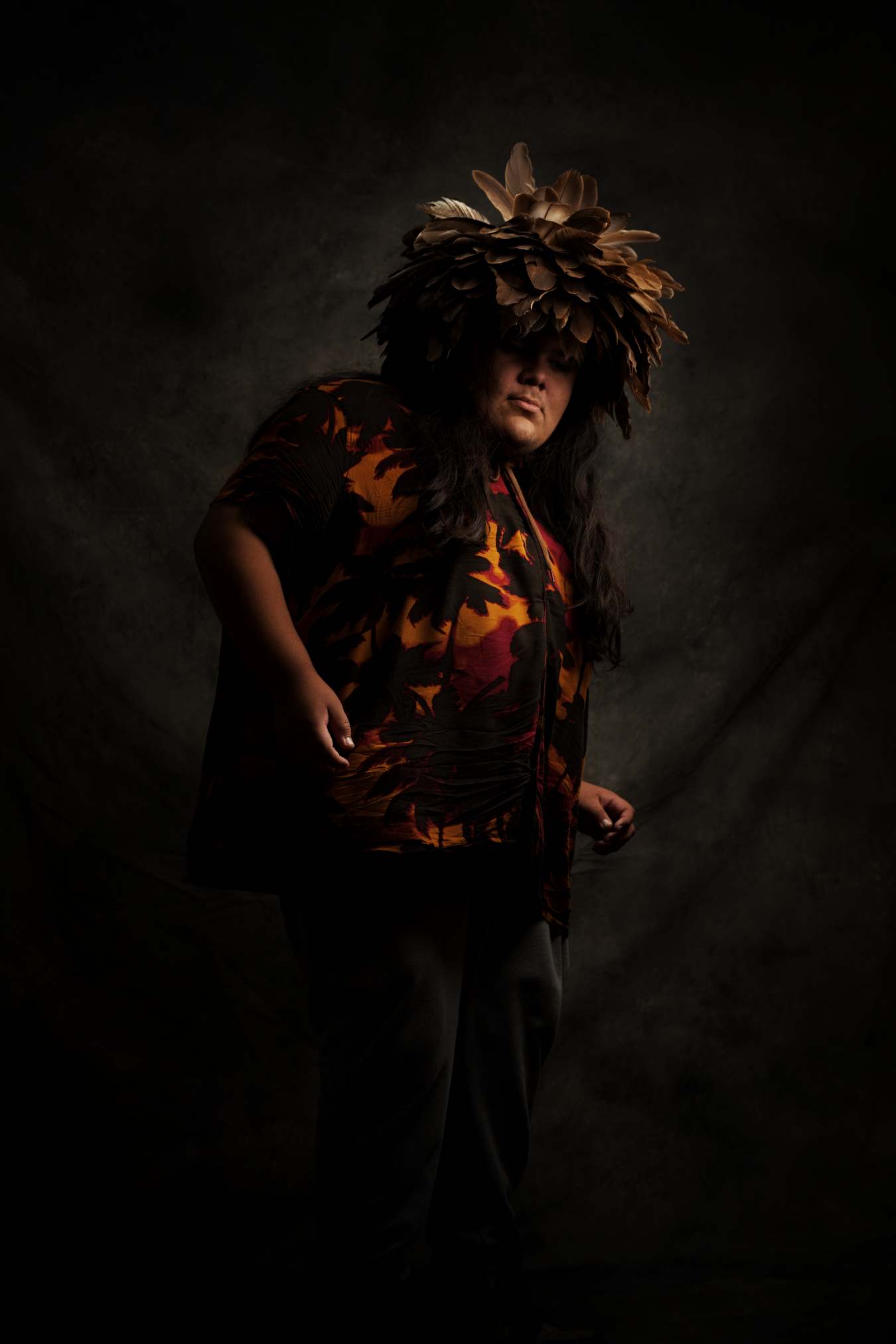
Untitled
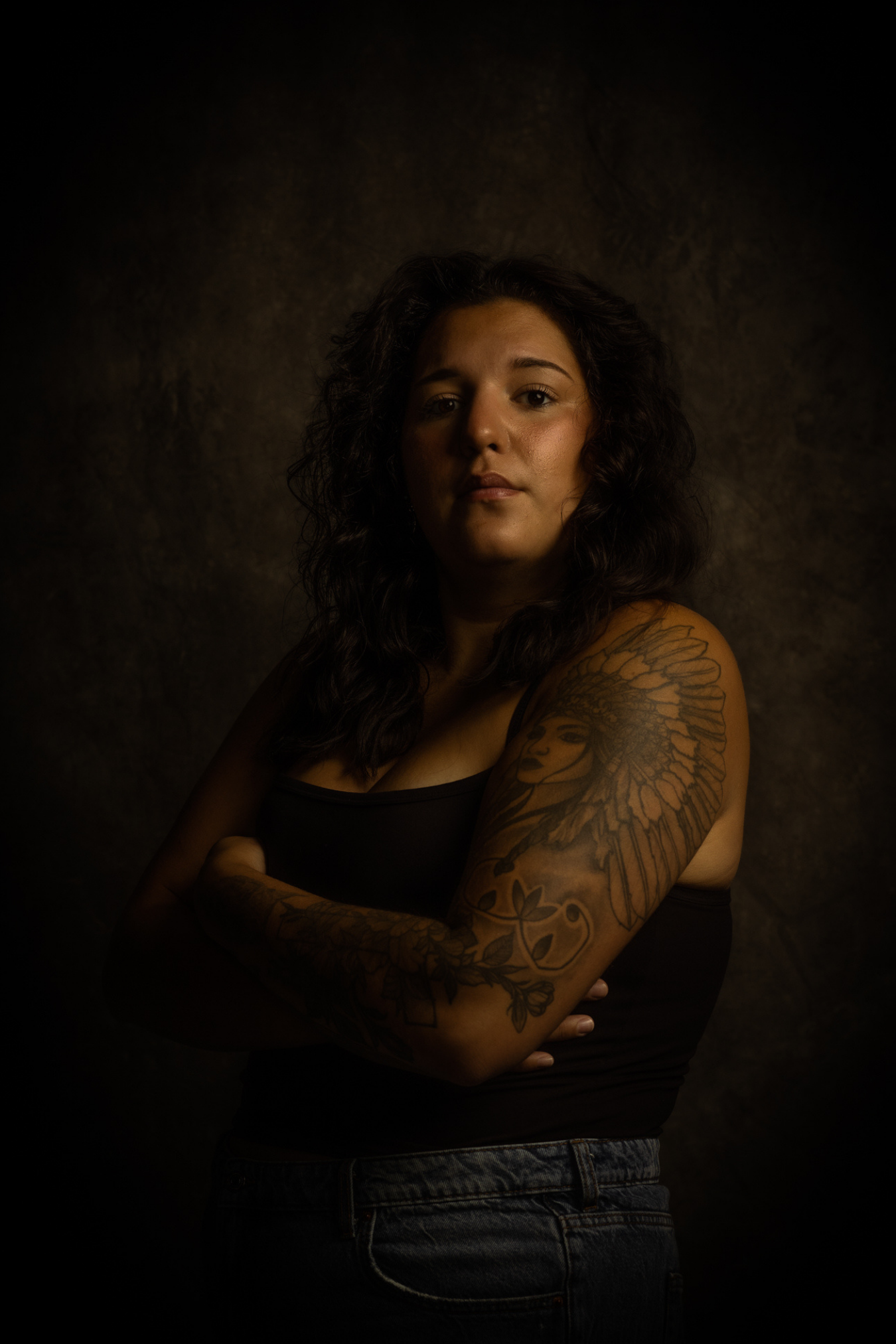
Kaylee Hart
I am a Mi’kmaq mother, language learner, educator, and advocate for youth from Wasoqopqa’q First Nation. My four children are at the heart of so much of what I do and have inspired me to reconnect more deeply with my language, culture.
For the past several years, I have dedicated myself to learning and using Mi’kmaw and sharing what I learn with my children, family, and the youth I support. I am also completing my Wabanaki Bachelor of Education at UNB, with the hope of creating spaces where Mi’kmaq children can see themselves, their language, and their culture reflected and celebrated.
My journey is about learning what I can, carrying it with pride, and passing it on. Everything I learn today becomes something I can give to my children and the generations coming behind me.
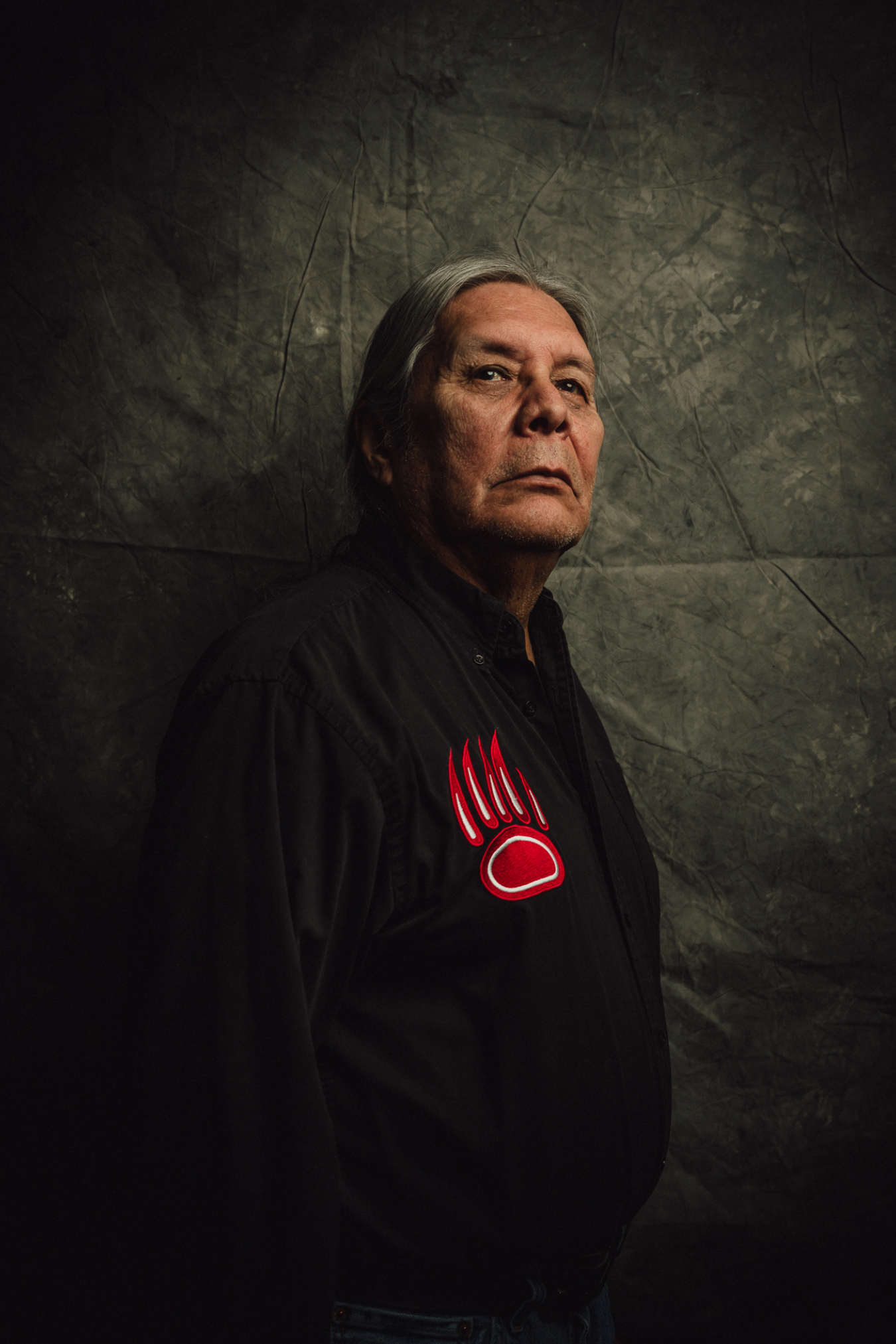
Alan Knockwood
I am an Elder from Sipekne’katik. I currently serve on the AFN, National Aboriginal Veterans Council, representing Nova Scotia Aboriginal Veterans. I Served with the States Navy as a Hospital Corpsman, during the Vietnam Era . I am also a Pipe Carrier for them as well.
Married for 43 wonderful years, we have one Daughter and one Son and A proud Grandfather. Currently living a very busy retirement in my home Reserve.
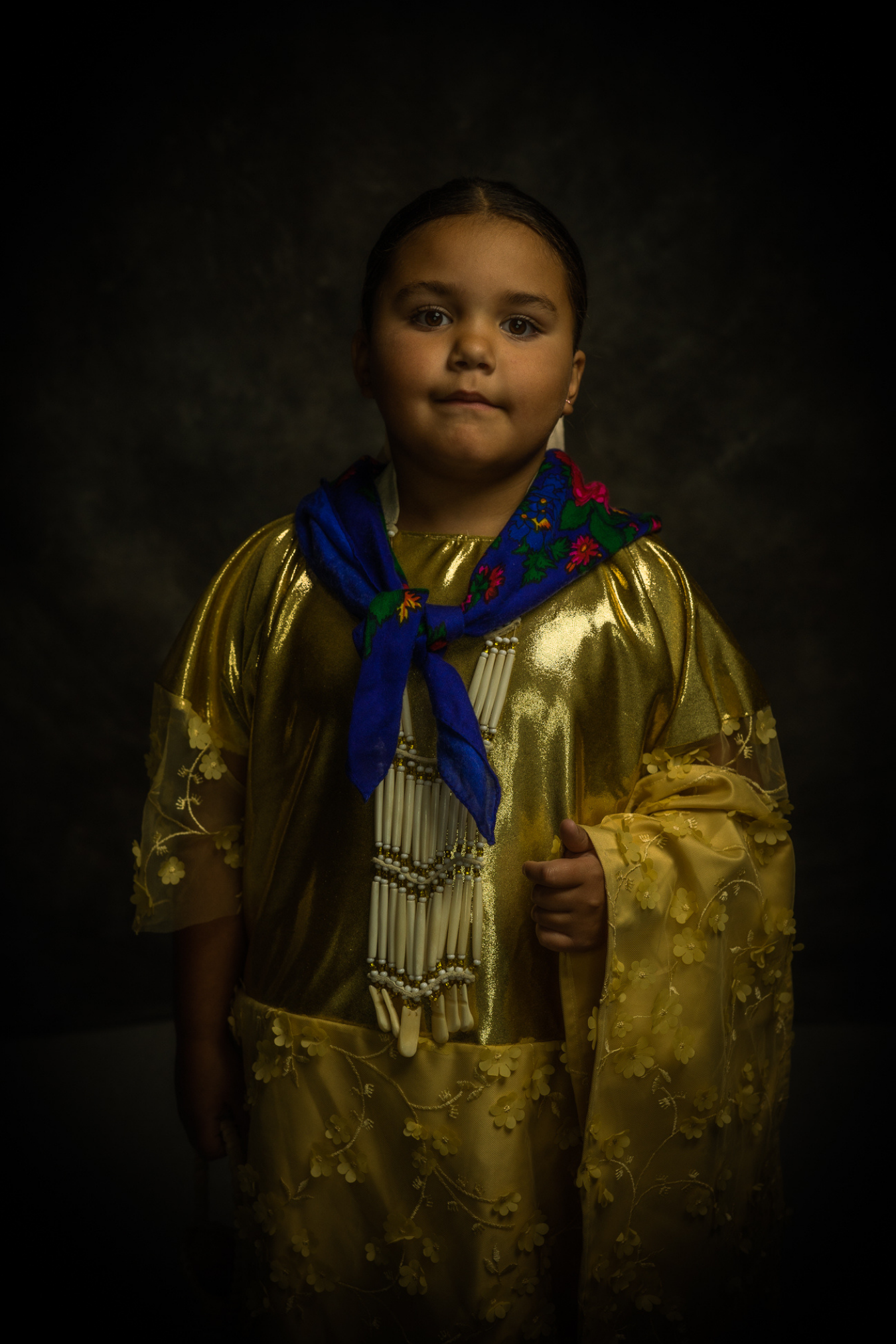
Margot Bernard
From the time she was in her mothers womb, the heartbeat of the drum has been a familiar and important part of Margot’s life. Growing up surrounded by the songs, teachings and traditions she has developed a deep love for her culture and songs.
Margot dances both traditional and jingle dress styles, proudly carrying her culture with her when she enters the circle. Her journey dancing and on the powwow trail is spent alongside her father and his singing brothers, following their drum and dancing to the songs that have surrounded her since before she was born.
For Margot, it is more than dancing. It is family, community, culture and a way of life. Whether she is dancing in the circle or sitting close to the drum, she continues to grow surrounded by the songs, people, and traditions that have been part of her story from the very beginning.
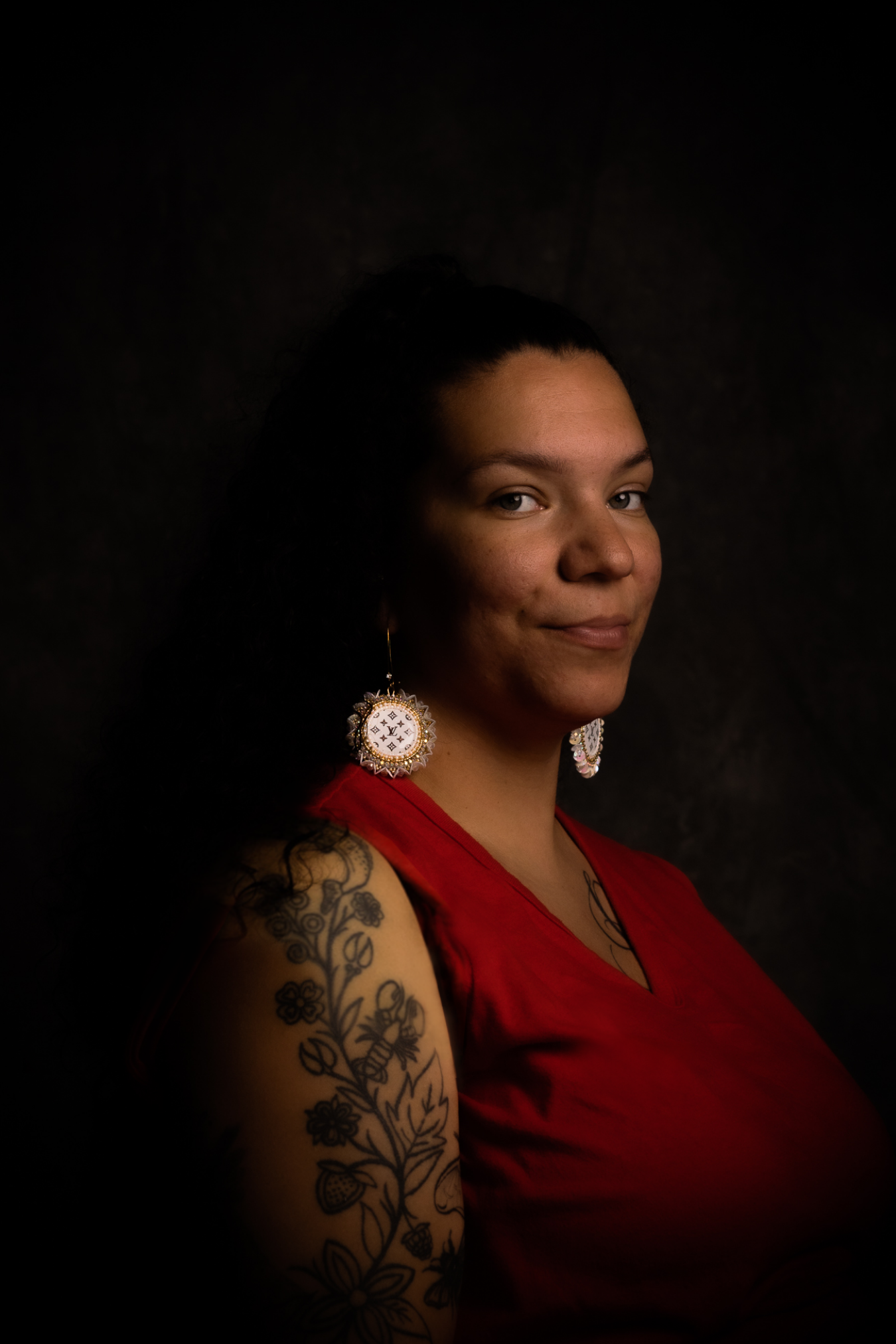
Thomasina Soucy
Kwe’ Teluisi — hello, my name is Thomasina Rose Soucy. I am 27 years old and grew up here in Yarmouth, Nova Scotia, on the Acadia First Nation reserve, now known as Wasoqopa’q First Nation. I come from a large family with Mi’kmaq roots throughout the Maritimes and the United States.
My mother, Lisa Soucy, taught Ni’n (me) how to bead as a child. My mother is a survivor of the Sixties Scoop, and my grandmother, Rose Francis, is a residential school survivor. Many people in our community may know my grandmother, and her story and strength have been an important part of my family’s history. My father, Thomas “Bruce” Falls, spent 22 years of his life as a lobster fisherman for our Band (First Nations Community). I grew up surrounded by strong connections to our land, waters, community, and Mi’kmaq way of life.
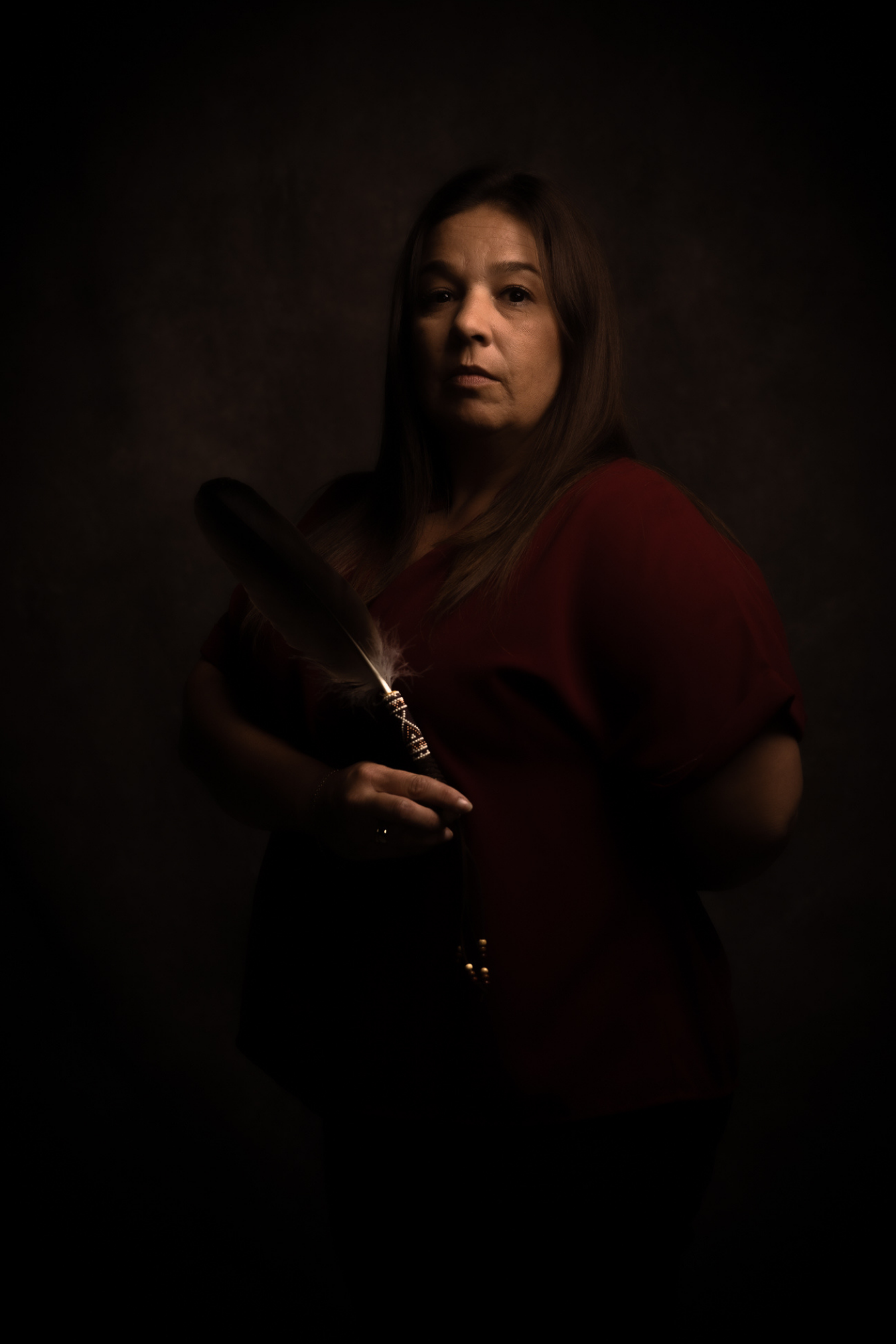
Melissa Robinson
My earliest memories are from the age of 3, I remember standing next to my dad on the couch watching cartoons. I remember him leaving for work, and I remember the year he was in the hospital.
My father was in a car accident 2 months after my third birthday. The right side of his body was paralyzed and he never spoke again. I remember staying with different family members while my mother was in Halifax for his recovery. I remember the train ride to go see him and I’ll never forget seeing him laying in that hospital bed. I remember learning sign language with him and how to use the commadore 64 computer. I remember playing poker with him, he got mad when I won . I remember Sunday dinners with him and I remember the phone call at 16 telling me he passed away.
These memories have shaped me into the woman you see today. I am strong, I am a fighter and I know that I can face anything because I remember.
Faith Meuse
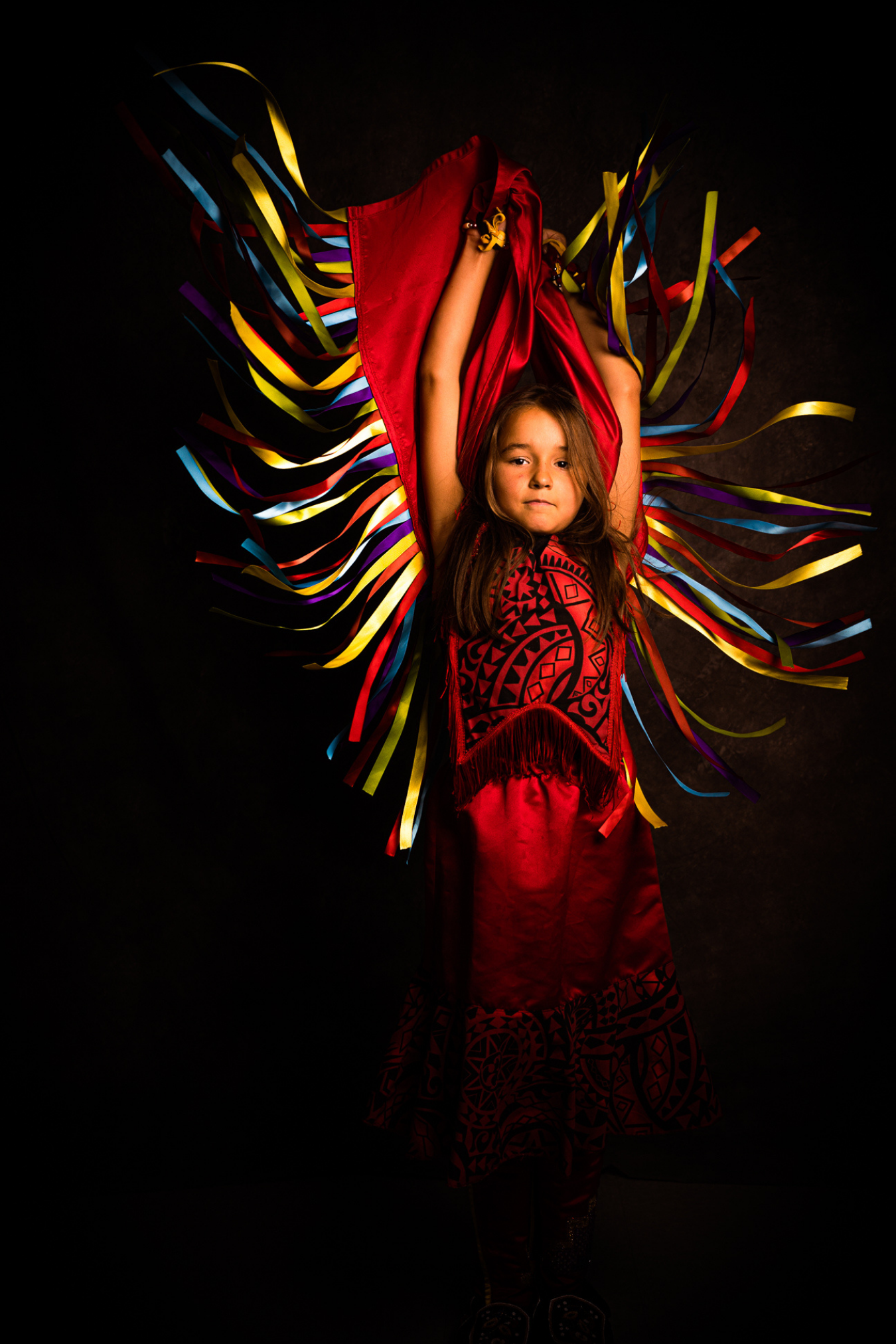
Valentin Hart
 For Valentin, Mi’kmaw language, art, and dance are all connected they are ways she expresses who she is. As a Mi’kmaw Language Youth Warrior, she proudly speaks and shares Mi’kmaw with her family and friends, helping carry the language forward.
Valentin began dancing when she was young, and today she shares the powwow circle with her friends. When she dances, she pours her heart into every step. She dances with prayer, and her strong spirit can be felt through her movement.

Whether creating with her hands or dancing with her whole heart, Valentin sees both as forms of art. Through her language, artwork, and dance, she proudly carries her culture forward in her own creative and powerful way.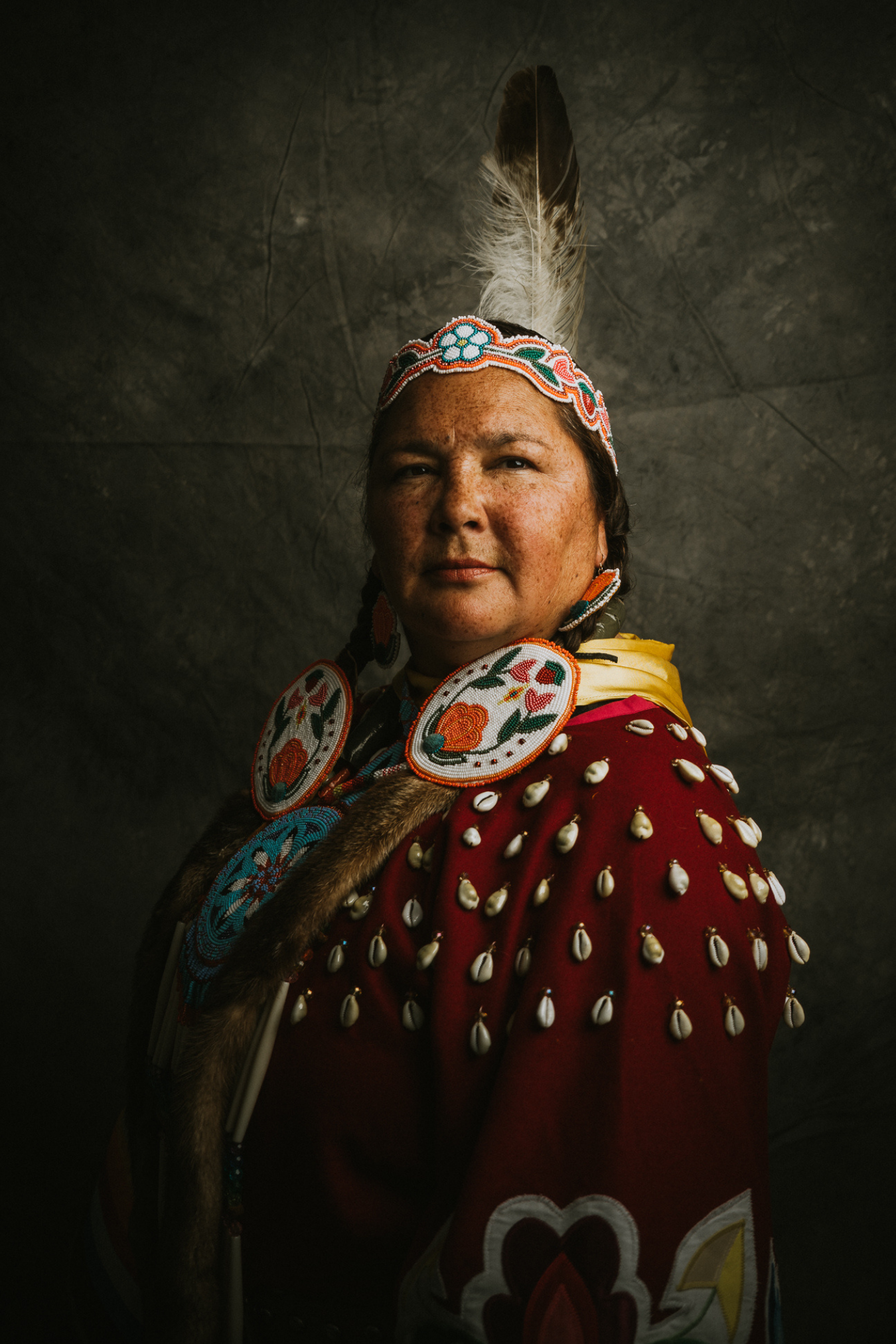
Bobbi Madahbee
Natteal Battiste
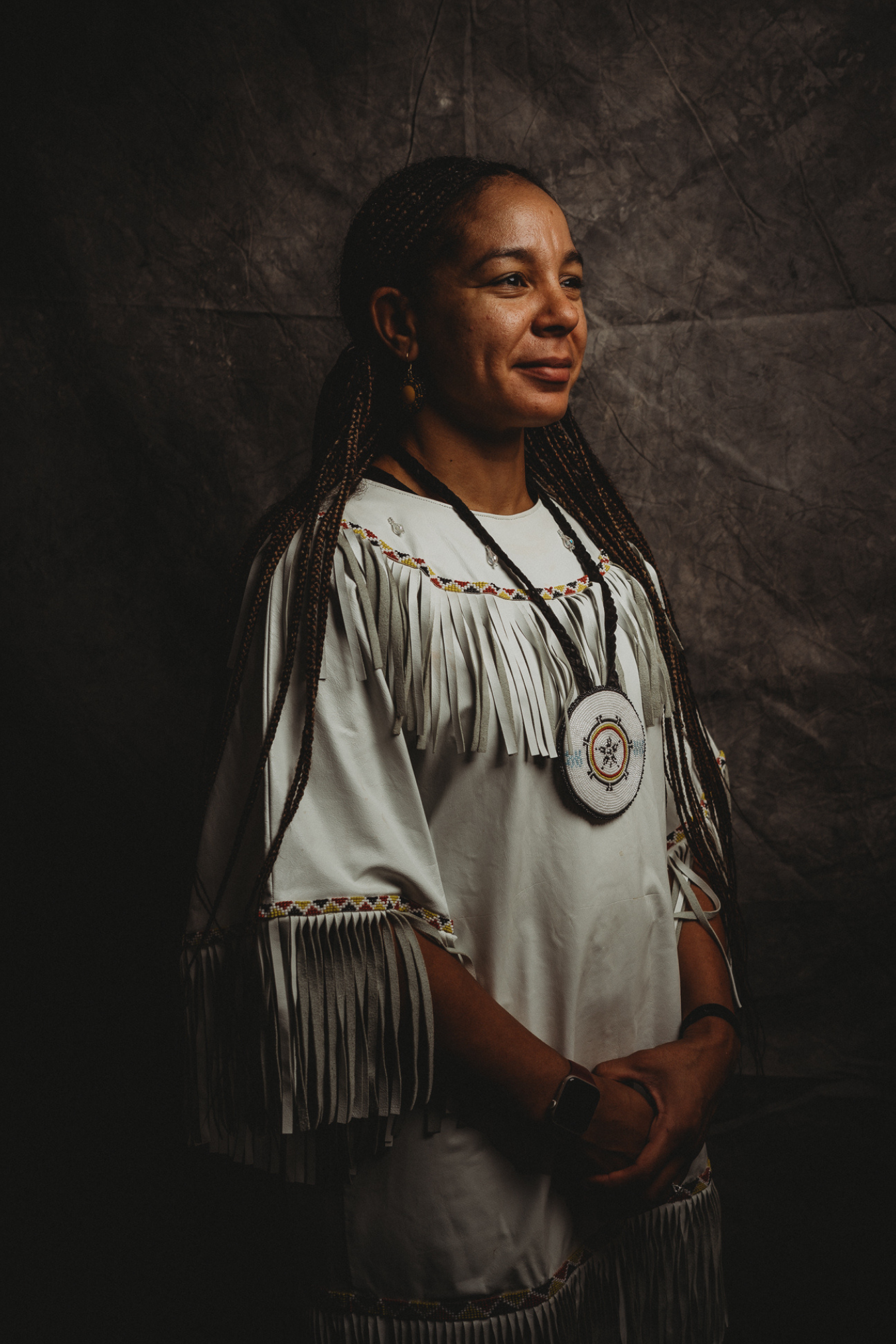
Natteal Battiste is the daughter of Sonya Isaac and granddaughter of Evelyn Francis and Joseph Isaac. Born in Boston, Massachusetts, Natteal reconnected with her Mi’kmaq community in 2000 and went on to live and grow up on the Wasoqopaq First Nation reserve in Yarmouth County. Her grandmother, Evelyn Francis, was among the many Mi’kmaq people who relocated to Boston during the 1970s to 1980s , continuing a history of Mi’kmaq migration to the city that was deeply connected to the formation and growth of the Boston Indian Council. For Natteal, returning to Wasoqopaq was a meaningful reconnection to the community and culture that had shaped generations of her family.
Natteal is a currently a Councillor of Wasoqopa’q First Nation and, as one of the youngest members of Council, is passionate about encouraging the next generation to step forward into leadership and create positive change within their community. Outside of her work in leadership and community development, Natteal is a competitive boxer and a 2-time silver medalist at the Canadian National Championships, with more than 30 fights to her name. She is also a loving mother and wife, and takes great pride in balancing her family, athletics, community and commitment to inspiring others.
Rachel Falls
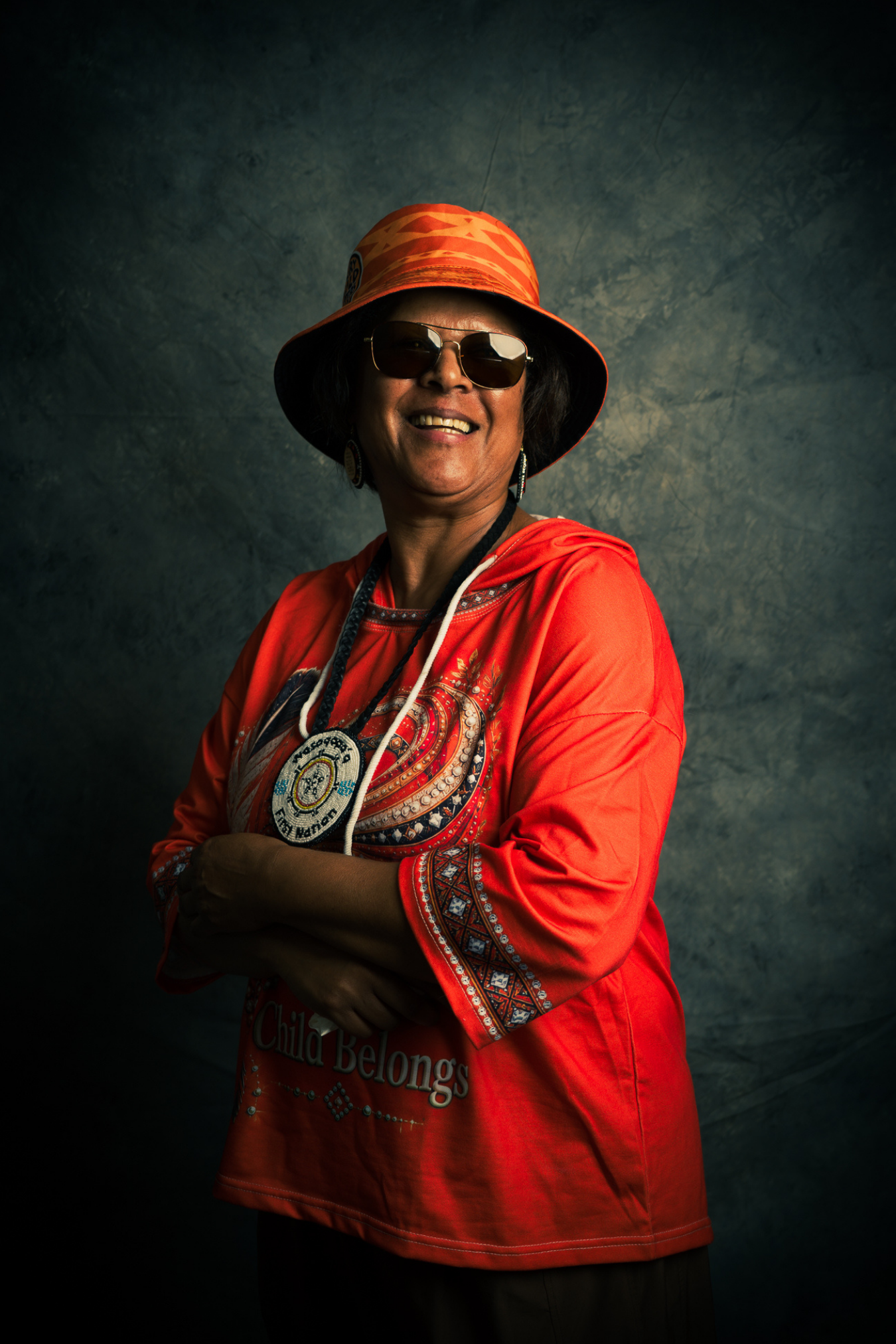
I am a sitting Councillor and Deputy Chief of Wasoqopa’q First Nation, serving in this role since June 14, 2025.
I come from a long lineage of strong, resilient, and proud Mi’kmaq women. I am a proud second-generation Mi’kmaq woman, the granddaughter of the late Margaret Pictou-Turner (Nugumi) and daughter of Rosalie Turner-Falls (Ngij).
Both of these remarkable women were positive influences in my life. From a young age, they taught me the values, traditions, and importance of the Mi’kmaq way of life. The lessons they shared with me have stayed with me throughout my life and continue to guide me today.
I am very proud to serve as a Councillor and Deputy Chief of Wasoqopa’q First Nation. I take my position very seriously and am committed to representing our First Nation and our people with respect, pride, integrity, and dedication.
It is an honour to serve my community and to carry forward the teachings and values passed down to me by the strong Mi’kmaq women who came before me.
Valerie Whynot
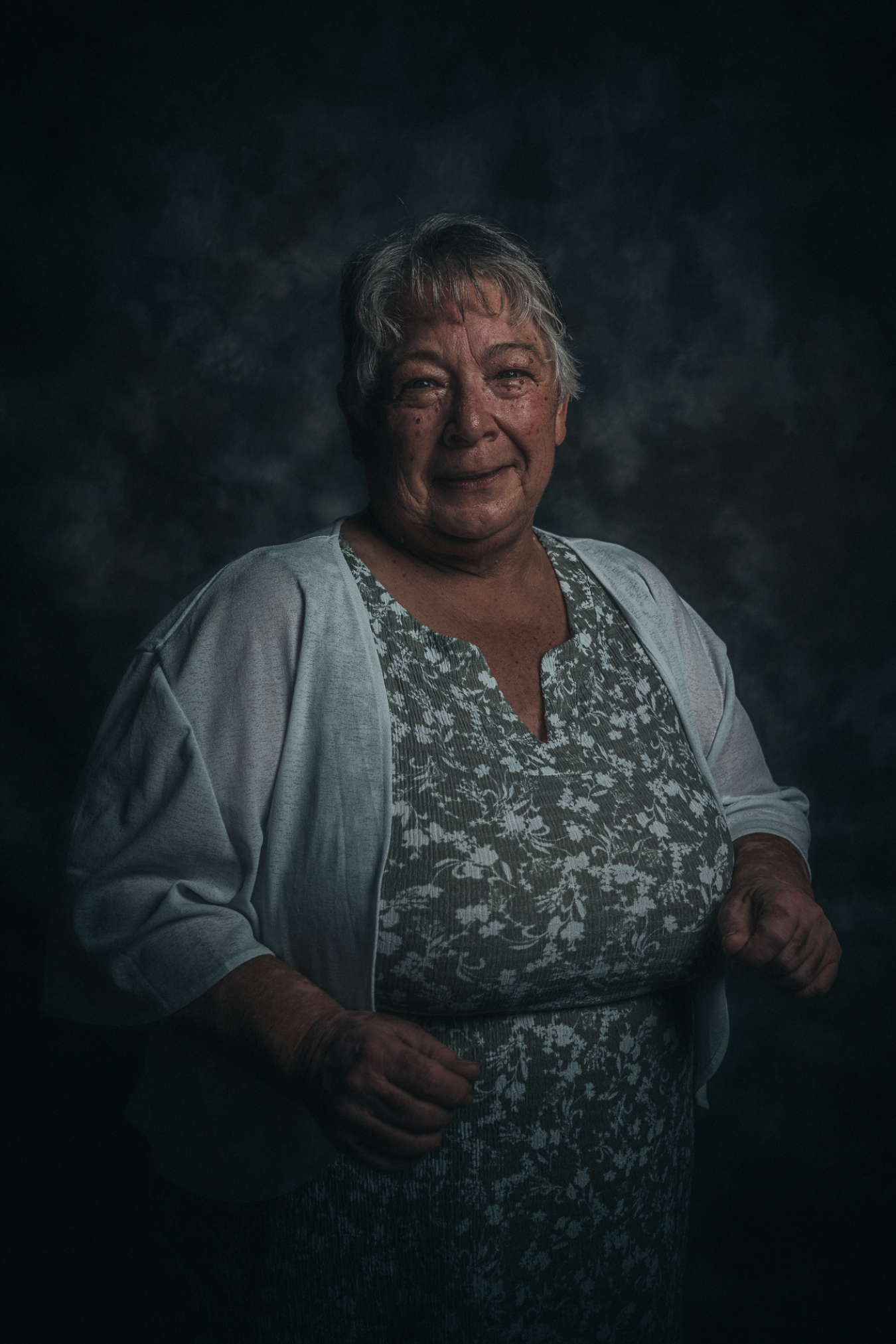
I am the daughter of a Residential School Survivor and was taken during the Sixties Scoop.
Living and working in the Wildcat Community keeps me connected and grounded, with the Wildcat River flowing through my backyard. My two sons, family, and extended family are my world.
The road has been long and difficult, with many lessons along the way. Hard times are challenges that build strength, compassion, wisdom, and empathy. I share the knowledge passed down by my mother, grandmother, and grandfather with those I care about.
Connecting with and sharing knowledge among the youth in our community is important to me and keeps me strong.
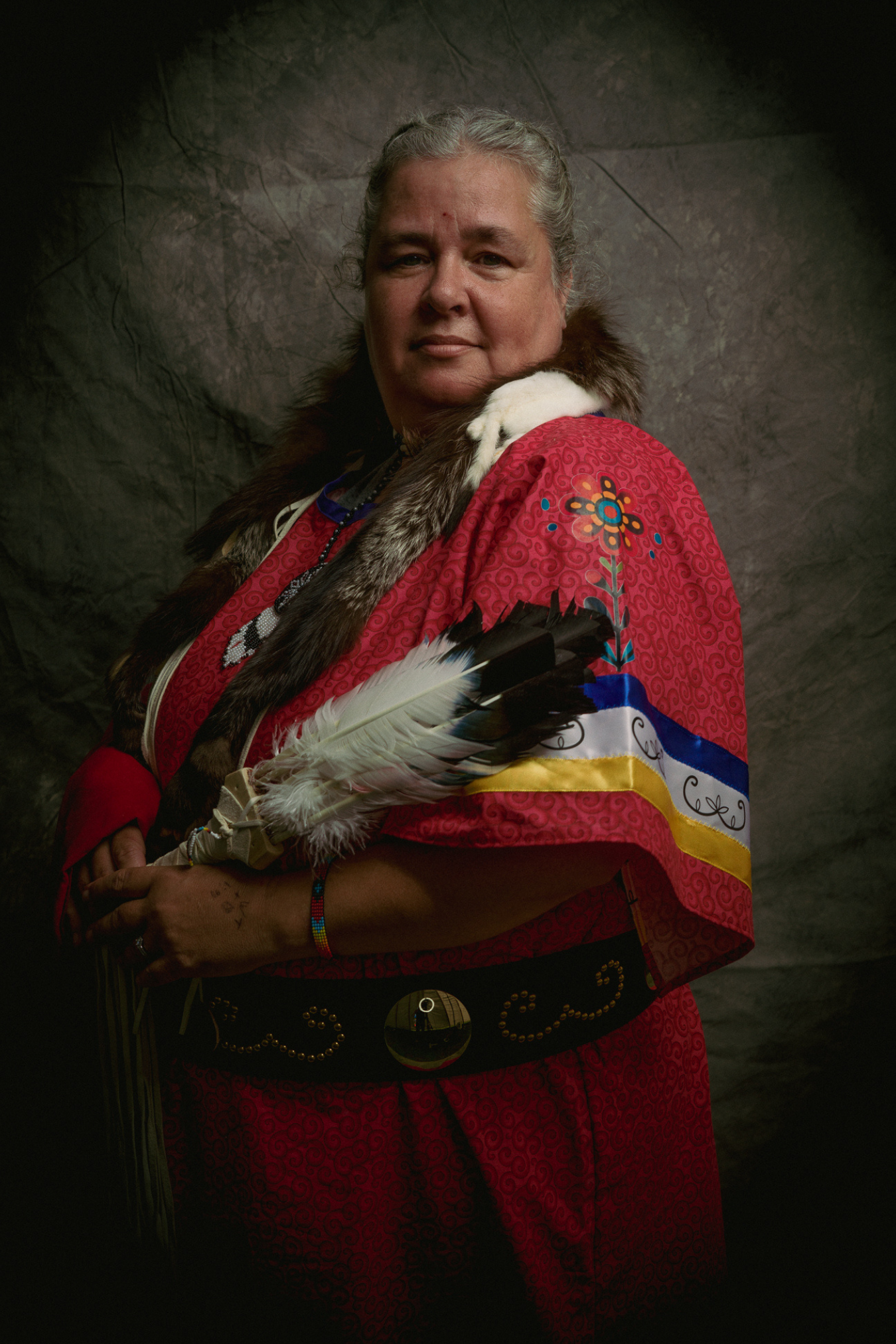
Gertrude Wagner
I have been dancing since I was 12 years old. I have been asked to dance in many ceremonies.
I am a Traditional Women’s Dancer and I am on a life journey that is making me the strong first nation woman I am.
My family and son are strong and proud.
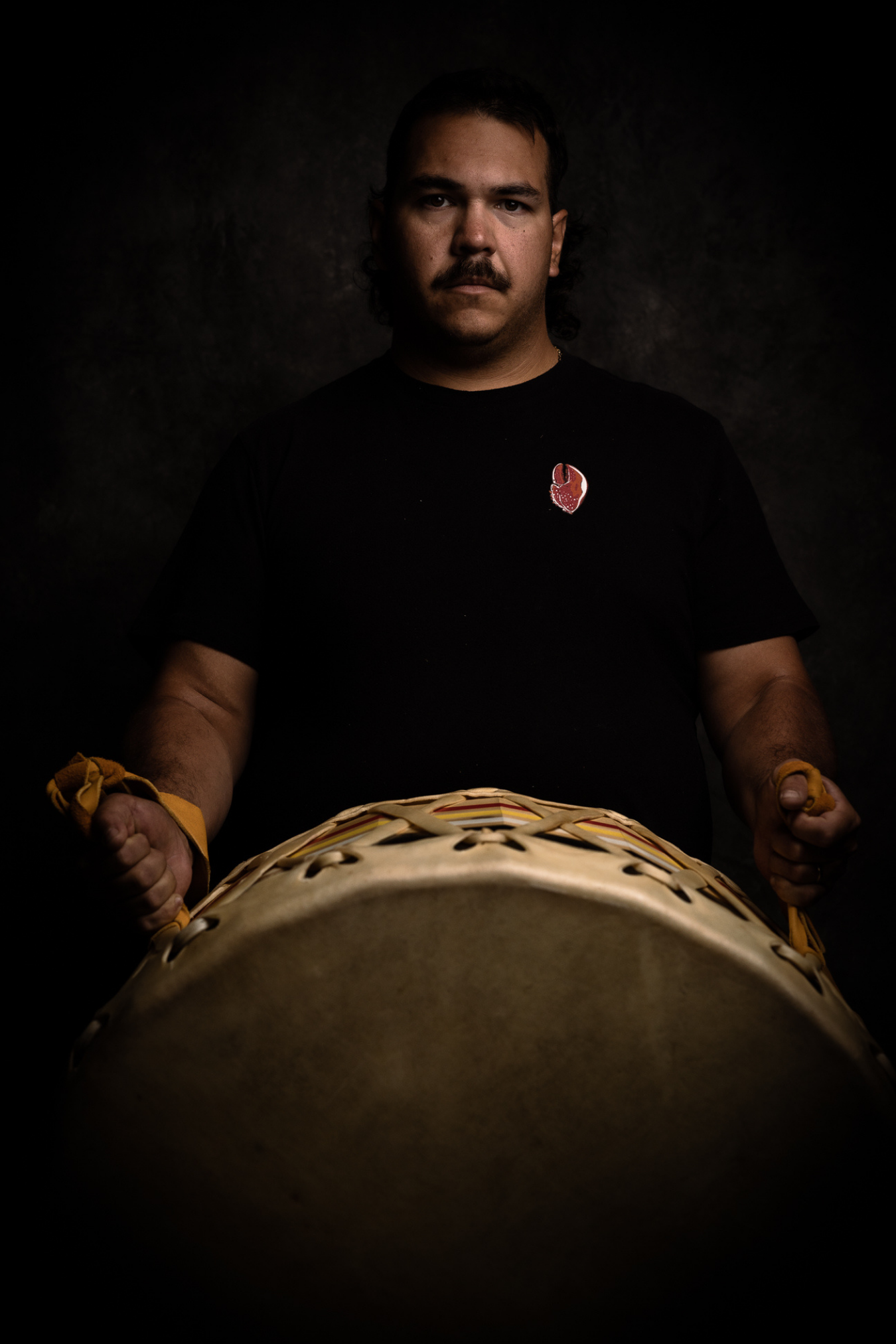
John Bernard
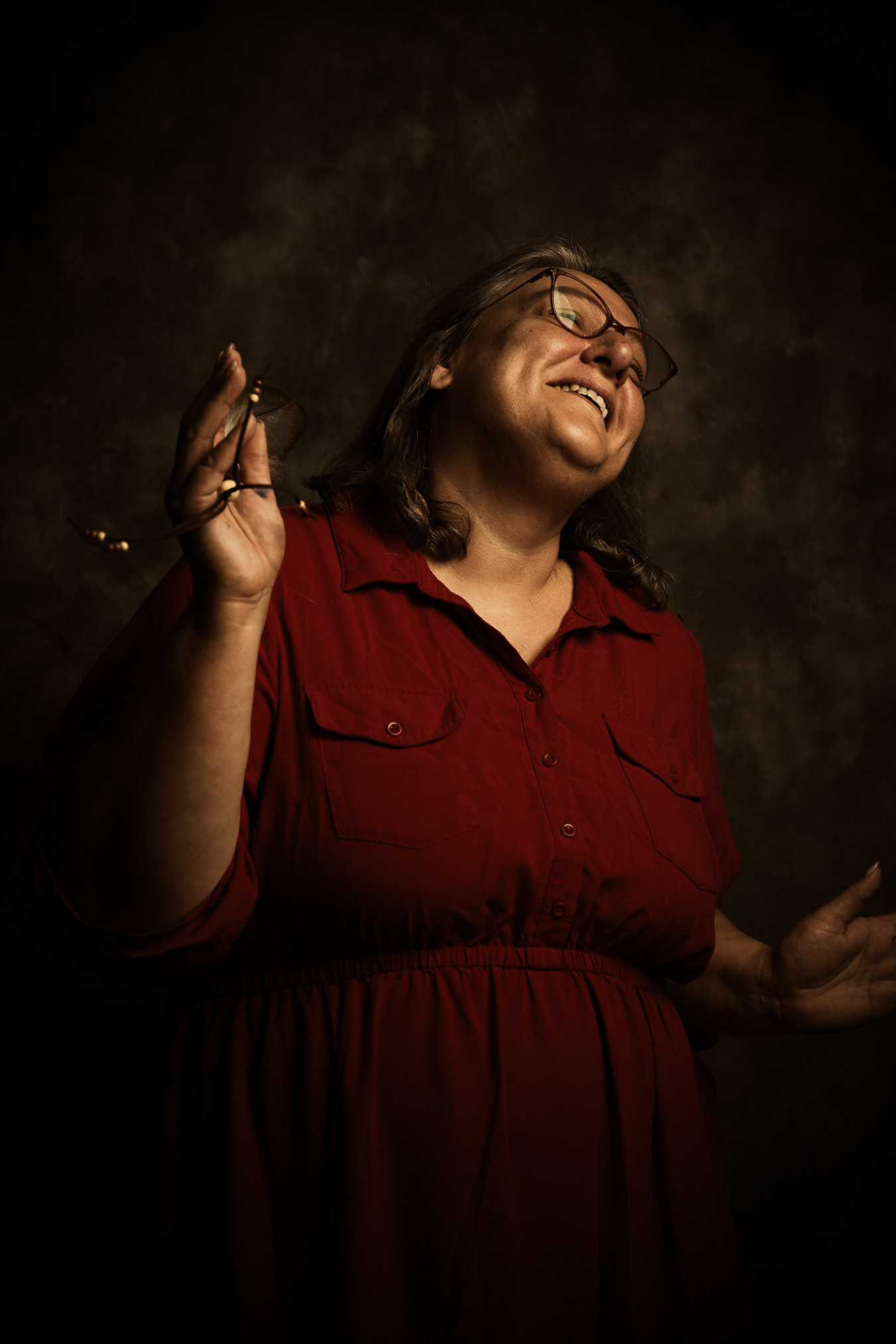
Crystal Croft
I’ve been through a lot in my life, and my journey hasn’t always been an easy one. I grew up with an alcoholic father, divorced parents, addiction, abuse, and many struggles that started at a young age.
Over the years, I’ve learned that our past doesn’t have to define our future. I’m now in a 13-year marriage with someone I’ve known since we were kids. We’ve both faced our own struggles with addiction, but we’ve supported each other and kept moving forward.
Today, I’m grateful to have a career where I can help people who may be facing some of the same struggles I once did. I believe my experiences have given me compassion, understanding, and the ability to see the person behind the situation. I use humour to get through the hard times, I love to laugh, and I try to find something good even when life gets difficult. I’m proud of how far I’ve come.
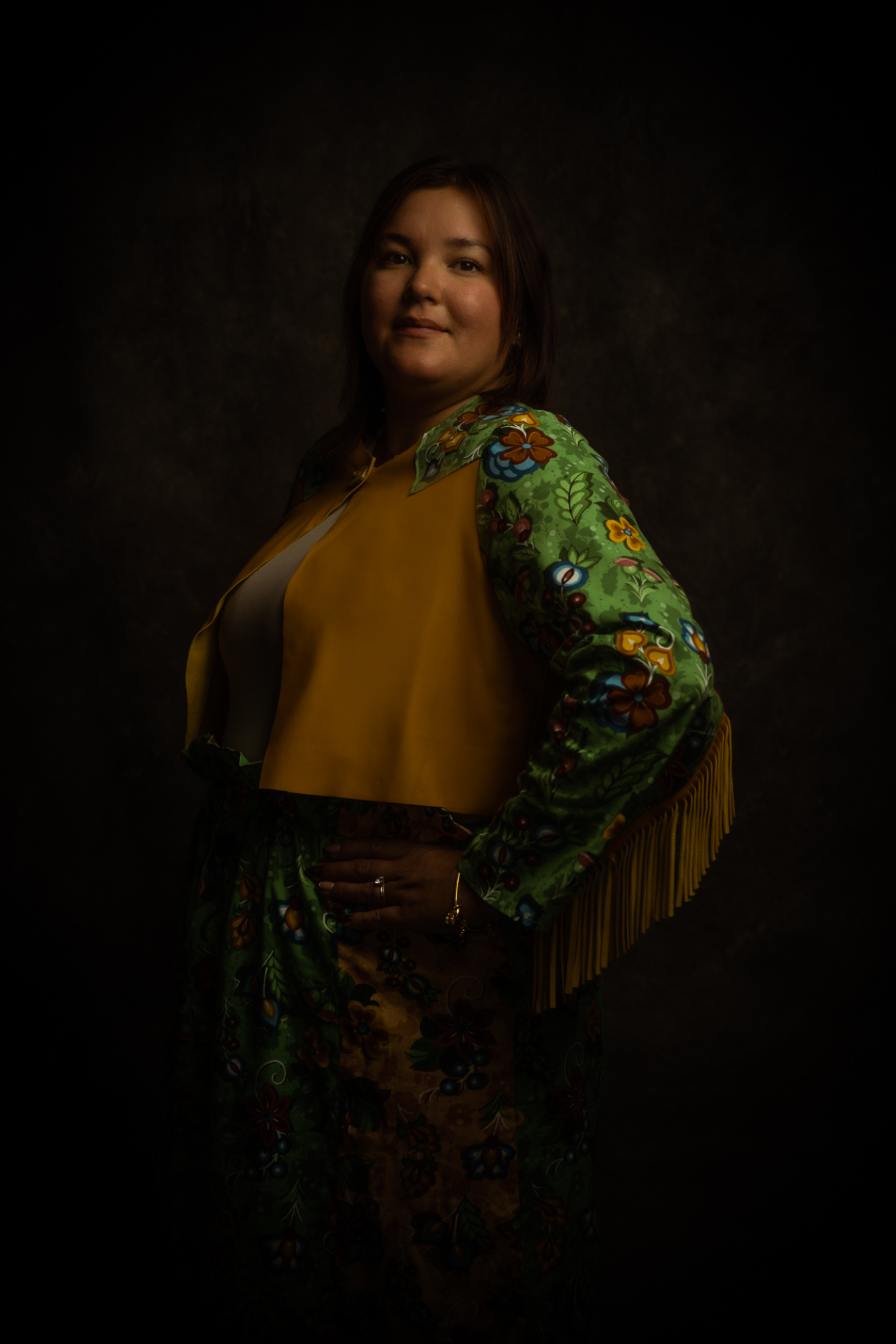
Kolby
Raised in Yarmouth by her mother and step father, Kolby grew up surrounded by the land and teachings they shared with her. Teachings that continue to shape the woman and mother she is today. My upbringing and journey strengthens my commitment to supporting others and understanding the ways that identity, culture, land, community and connection can be part of healing. I continue to learn from those around me, carry forward the teachings shared with me and create a path grounded in compassion, connection and reapply to the generations that come after me.
Sandra Perkins
Kwe’ Hello,
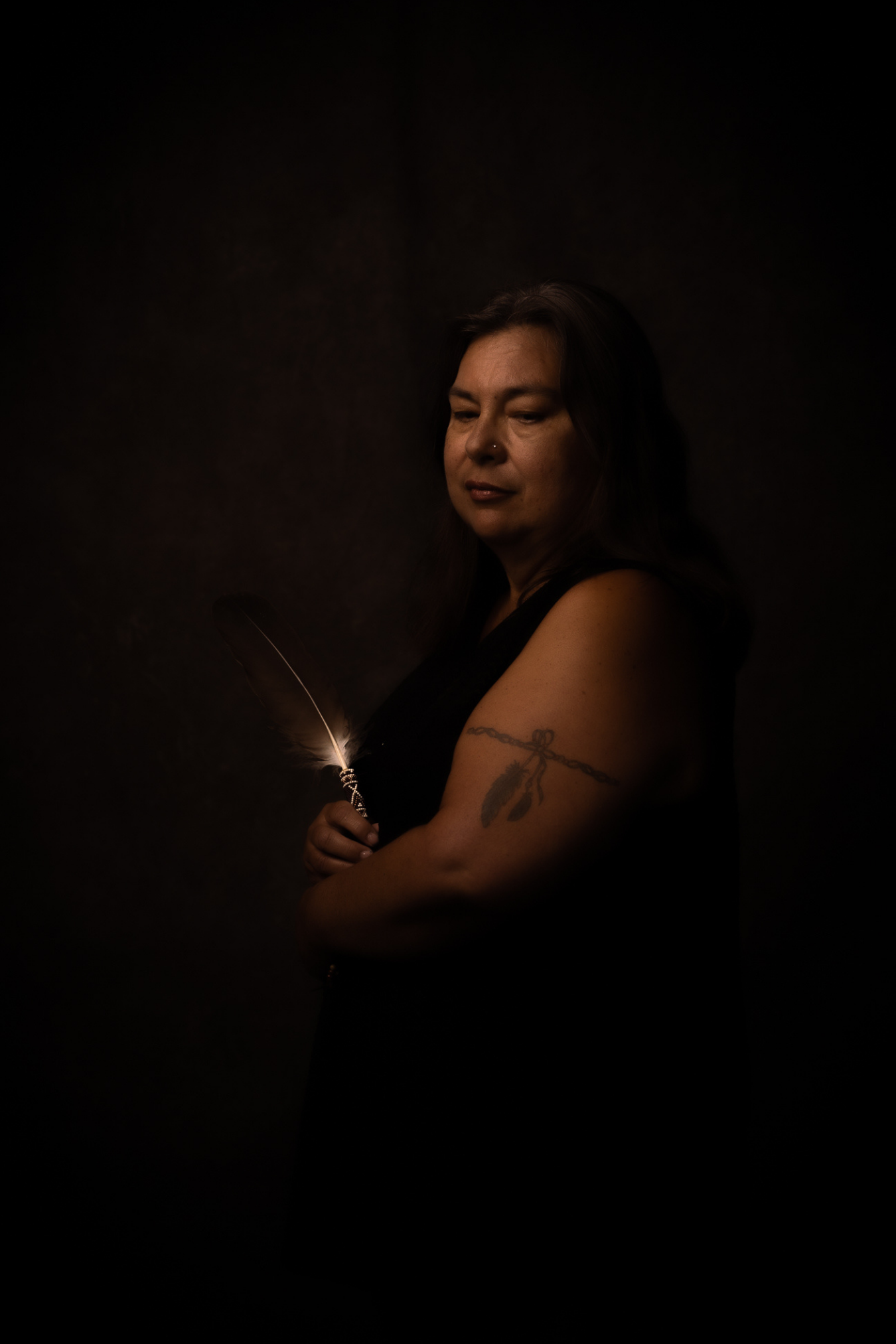
I am a proud Mi’kmaq woman, of the Wasoqopa’q First Nation.
I was born in Maine, USA, but relocated to Yarmouth Nova Scotia as a child. I am a mother to five beautiful daughters and a grandmother to two grandsons and a granddaughter.
I have been through a lot. As a child I suffered from abuse, which still affects me. I have also suffered the loss of my oldest daughter, who passed away almost 3 years ago. Nothing in life will ever prepare you for the loss of a child. Spending time with family, and friends really helps get me through a lot.
I work for the Wasoqopa’q First Nation Youth Centre, employed with the Headstart and afterschool program. I enjoy going to powwow and learning more about my language and culture.
Cathy Ouellet
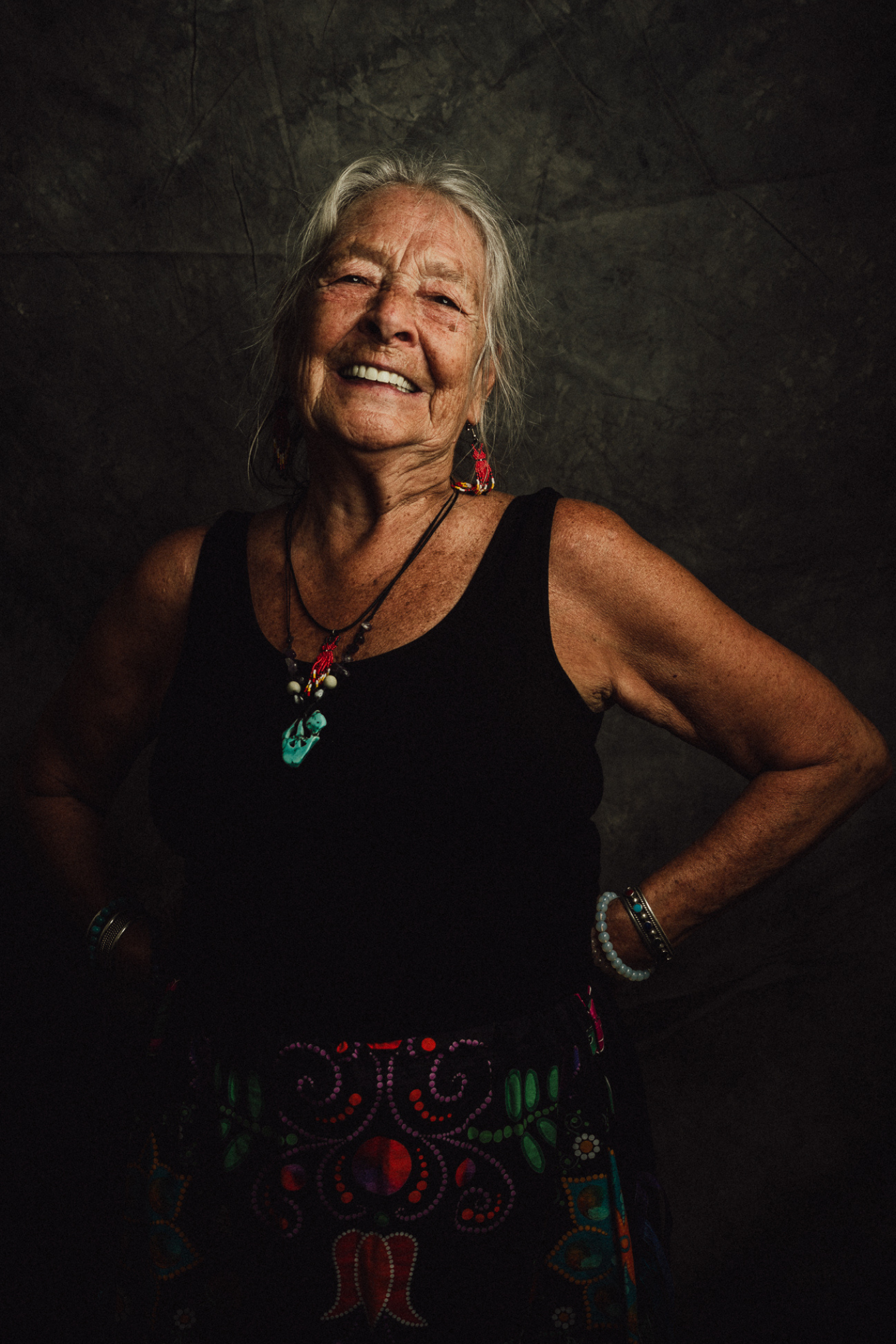
Cathy is an Indigenous auntie to Xavier (5 years old), Kingston (almost 6 years old), and a 4-month-old baby. They're very good at sports for their ages - soccer, hockey and baseball. They can all hit a ball, score with a soccer ball and score goals when playing hockey together. Cathy prefers they be physically active as she believes creativity comes from physical activity.
Sawyer & Abel Stevens
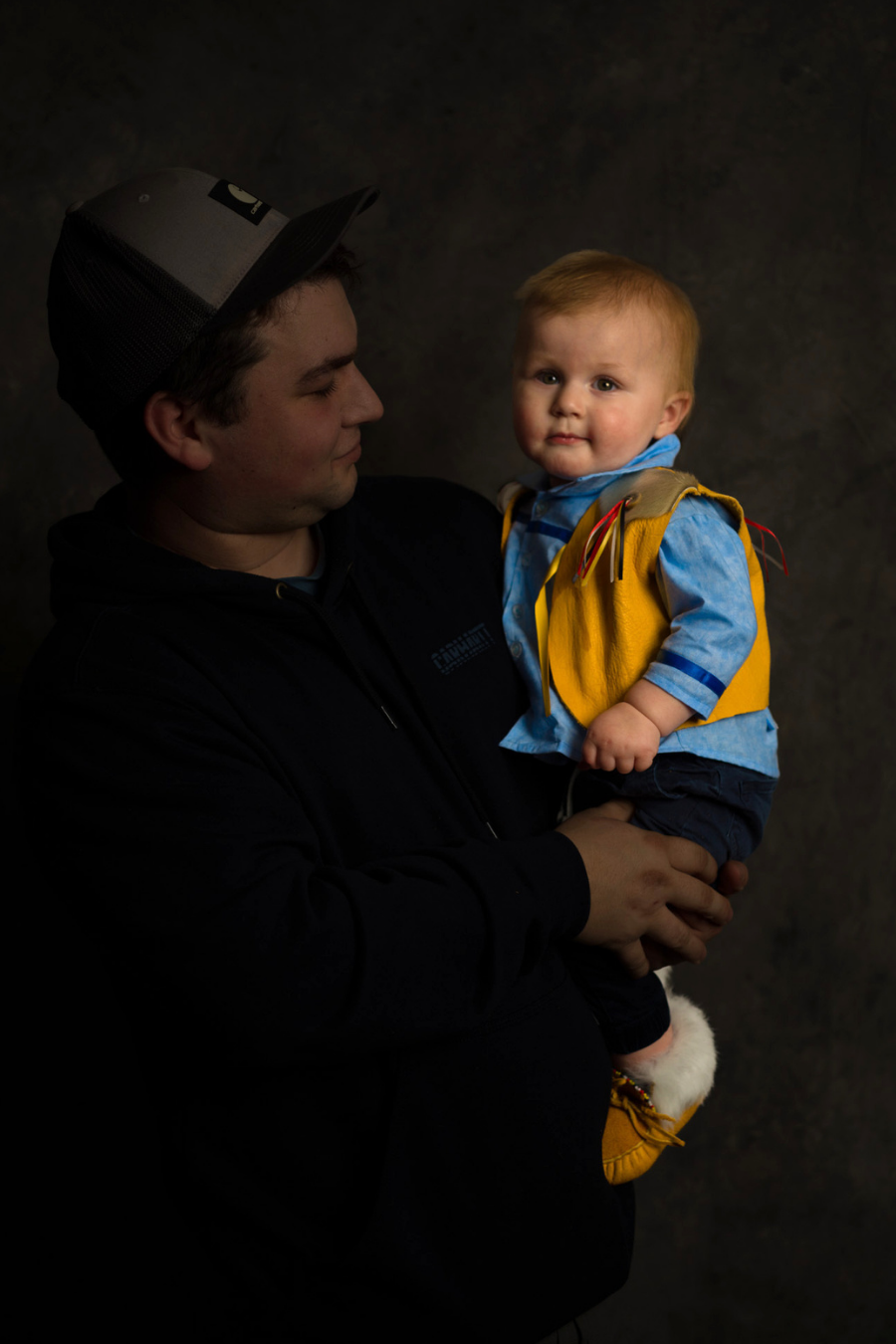
Sawyer is the one-year-old son of Abel Stevens and Katie Grace. Blending two Mi’kmaw families together, Sawyer is the grandson of Charmaine Stevens from the Francis family and the grandson of Melissa Wamboldt from the Labrador family.
Abel resides in Port Medway with his partner, Katie Grace, and their son, Sawyer. He is the son of Charmaine Stevens and the grandson of Judy Dobson. A fisherman and a hunter, he is as comfortable on the sea as he is in the woods. Abel has been exercising his hunting and fishing treaty rights from a young age. Attending moose camp in the Cape Breton Highlands as a youth remains a personal highlight. The knowledge passed down from his elders during those hunts will now be passed down to his son.
Helena Keans
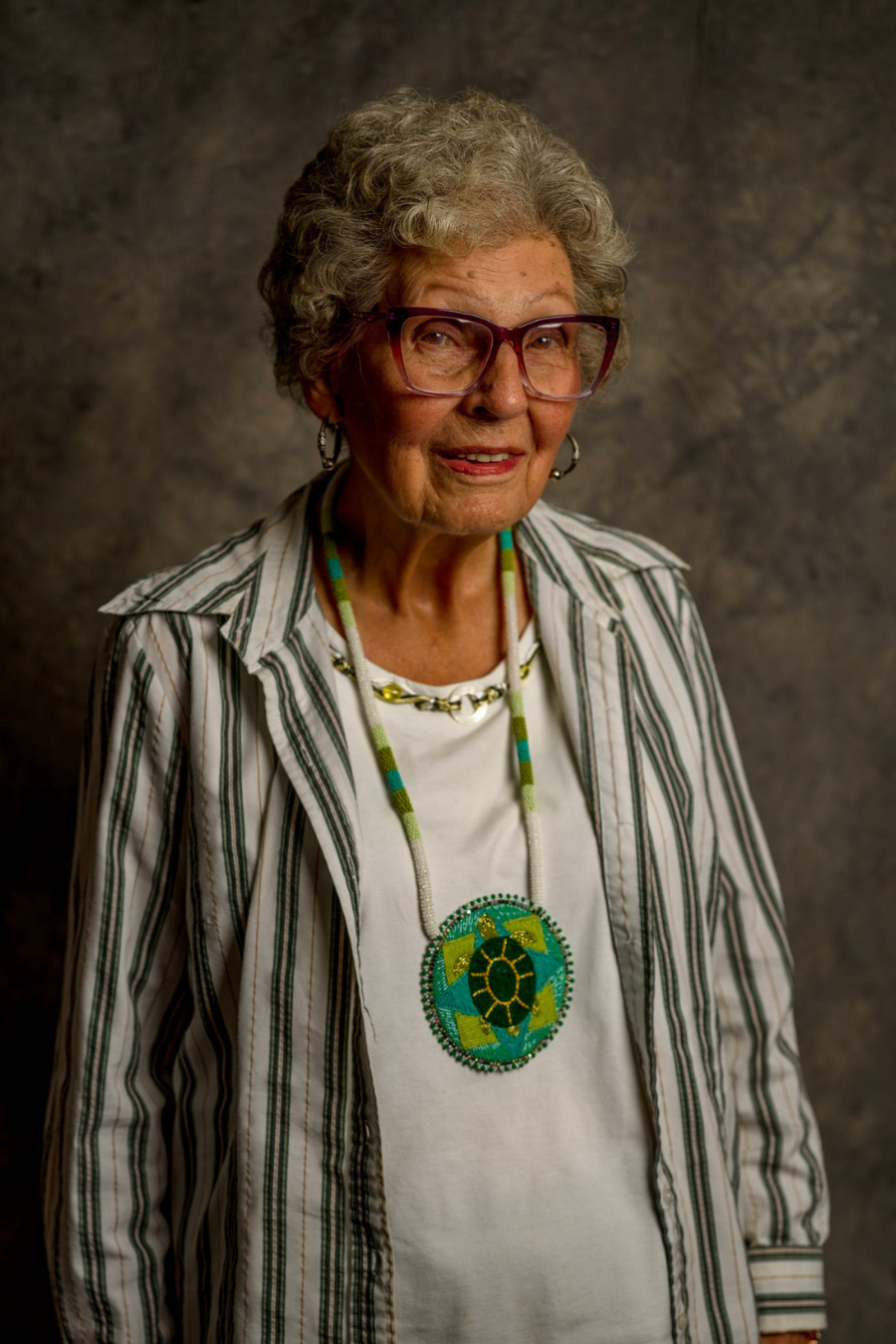
Helena is one of twelve children, born to Peter Malti Francis and raised in Two-mile, Milton. She is the granddaughter of Andrew and Addie Francis. As the oldest, she helped care for her younger siblings.
Neighbours were family, including her Uncles Joe and John, Aunt Florence, and many cousins. She fondly remembers the trips to Lequille visiting her father’s sisters, Evangeline and Grace. Her father would load the kids all on the back of the truck to make the trip out the Number 8 road to Lequille. Helena remembers Evangeline and her husband, Louis Pictou, making their baskets. Her Aunt Grace would make medicine to heal eczema for the babies in the family. Her Uncle John made axe handles and baskets. These were just some of the everyday Mi’Kmaq traditional ways of life Helena grew up with.
The strong connection Peter had with his siblings was instilled in his children. Over the years, Helena and her siblings maintained close relationships. Regular visits and get-togethers were part of daily life in the family. As the head of the family, Helena continues her regular check-ins and visits with her remaining siblings and family.
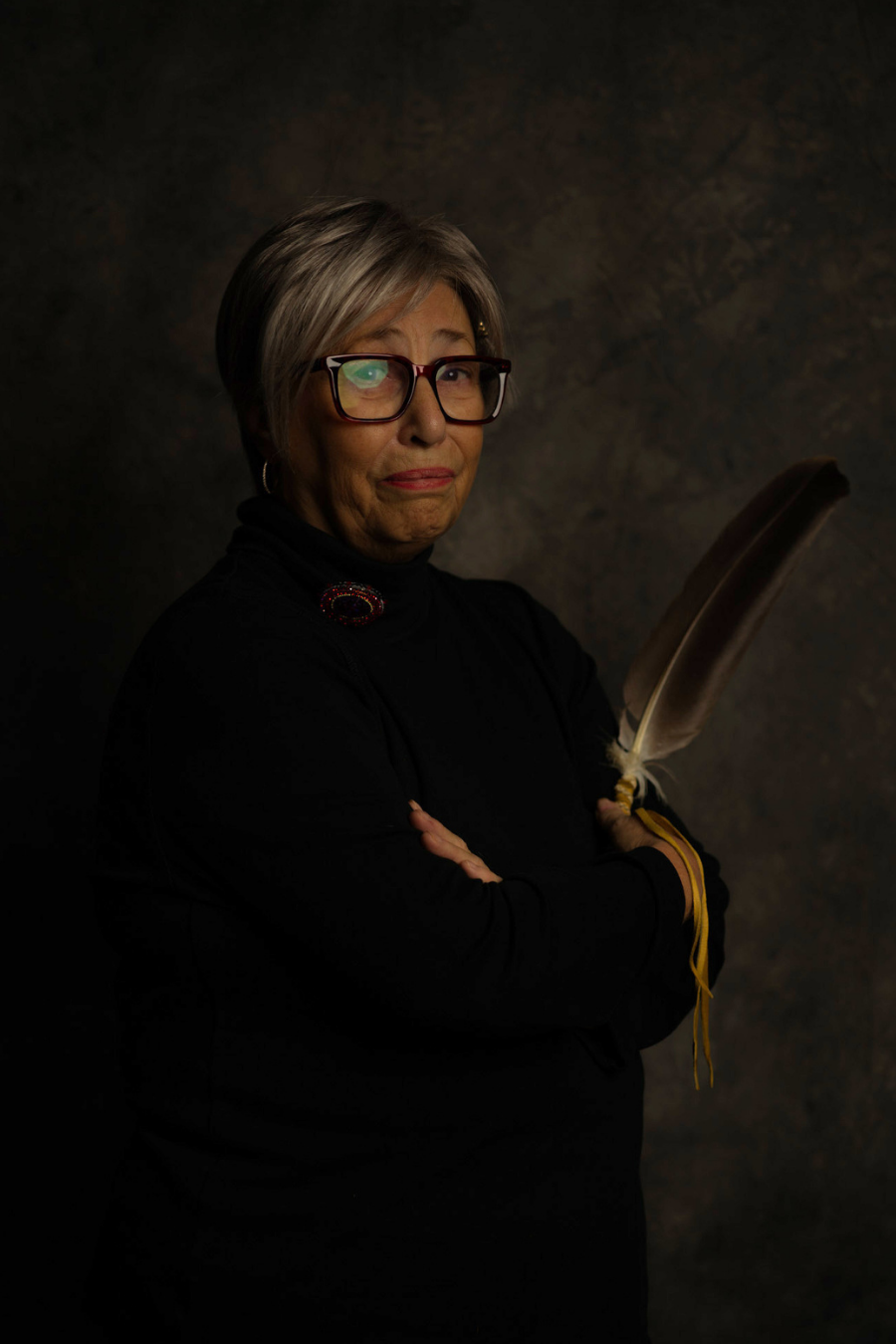
Judy Dobson
Judy is the daughter of Peter Malti Francis and grew up in Two-Mile, Milton alongside her 11 siblings. Her father’s brothers lived across the road with their families which meant there were over 30 Francis children in the neighbourhood. Her father came down with Tuberculosis and spent considerable time in the hospital. These were hard times for the family. Even while navigating lifelong health issues he was always happy and he loved company. He frequently called out to travellers walking past the house, inviting them inside to join the family for dinner. Even when there was very little to give, Peter shared what he had, referring to everyonehe met as “partner.”
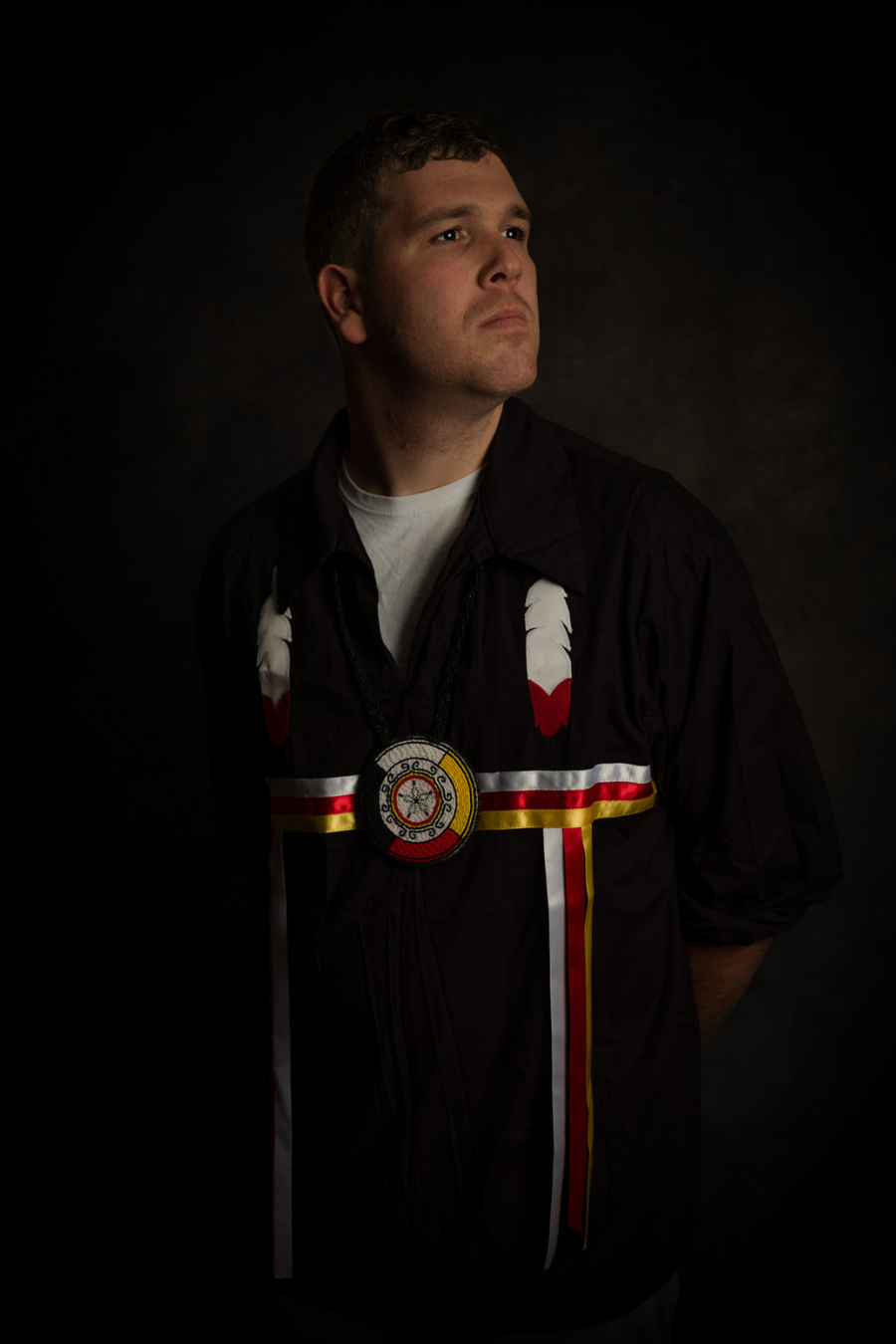
Samuel JL Purdy
I am the son of Jeff Purdy and named after my 3 grandfathers: Sam Glode DCM, my great-great-great grandfather, was a decorated veteran from WW1. Joseph Purdy was a WW2 navy veteran and Louis Glode was a WW1 veteran.
I carry my grandfathers’ names very proudly to keep their legacy alive. I was taught Mi’kmaw values, concepts and beliefs at a young age: hunting, trapping, fishing and gathering.
Providing and looking after my family are extremely important to me. I am the proud Dad of my first child, Genevieve, named after my great-grandmother Genevieve Glode- Daughter of Lewis Glode.
I am most comfortable and at peace when I’m in the woods or canoeing on a lake. If we stop and open our minds and hearts we can hear our ancestors’ voices in the passing breeze. Teaching my daughter to be responsible to our land and water will be my reward,
as I was taught to honour our land and treaties.
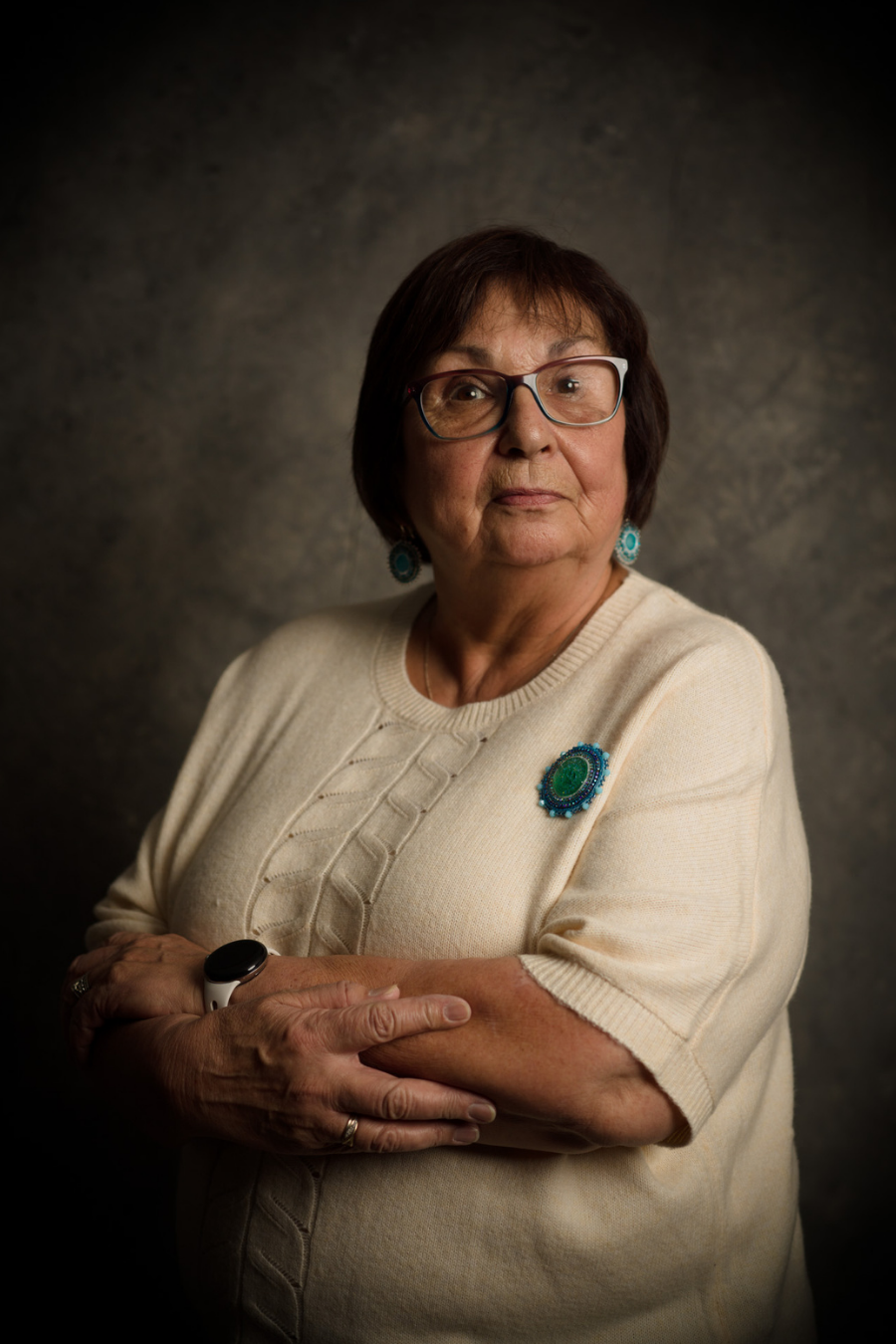
Donna Whynot
I am the daughter of Helena Keans and granddaughter of Peter Malti Francis. I grew up in a large extended family. The Francis family stayed strongly connected to one another and I remember well the regular get togethers and visits with aunts, uncles and cousins.
Aunt Debbie often organized family potlucks, which everyone looked forward to. She was all about family, worried about all of us and helped everyone she could. The strong connection between my mother and her sisters and brothers has had the strongest impact on my life.
As one of the older grandchildren I have many special memories of my grandfather, Peter. He would lend me his car for a trip to town but remind me it needed gas. I will always remember his love for a pot of black tea on the stove. Always ready for company to share a cup with.
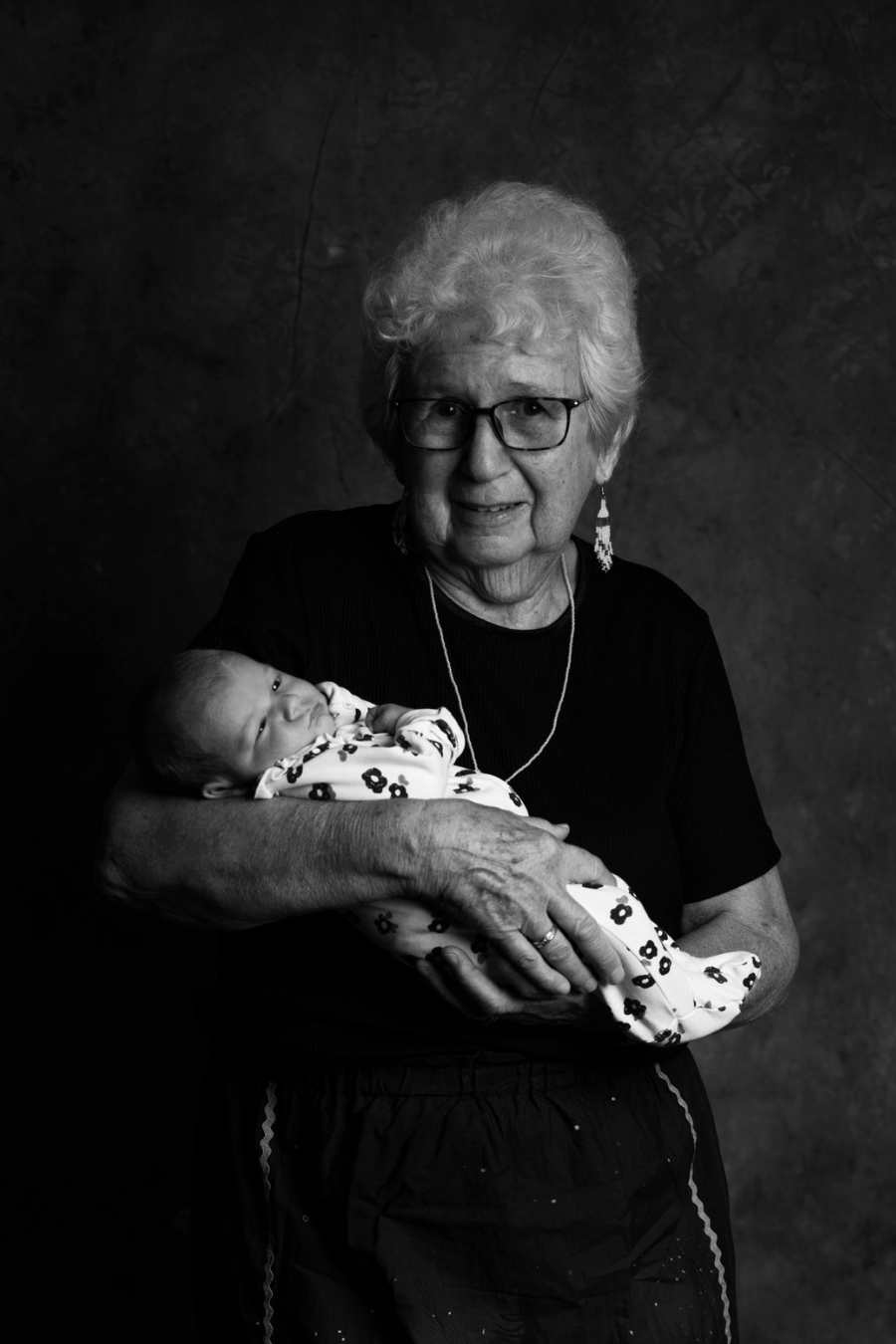
Bev Purdy
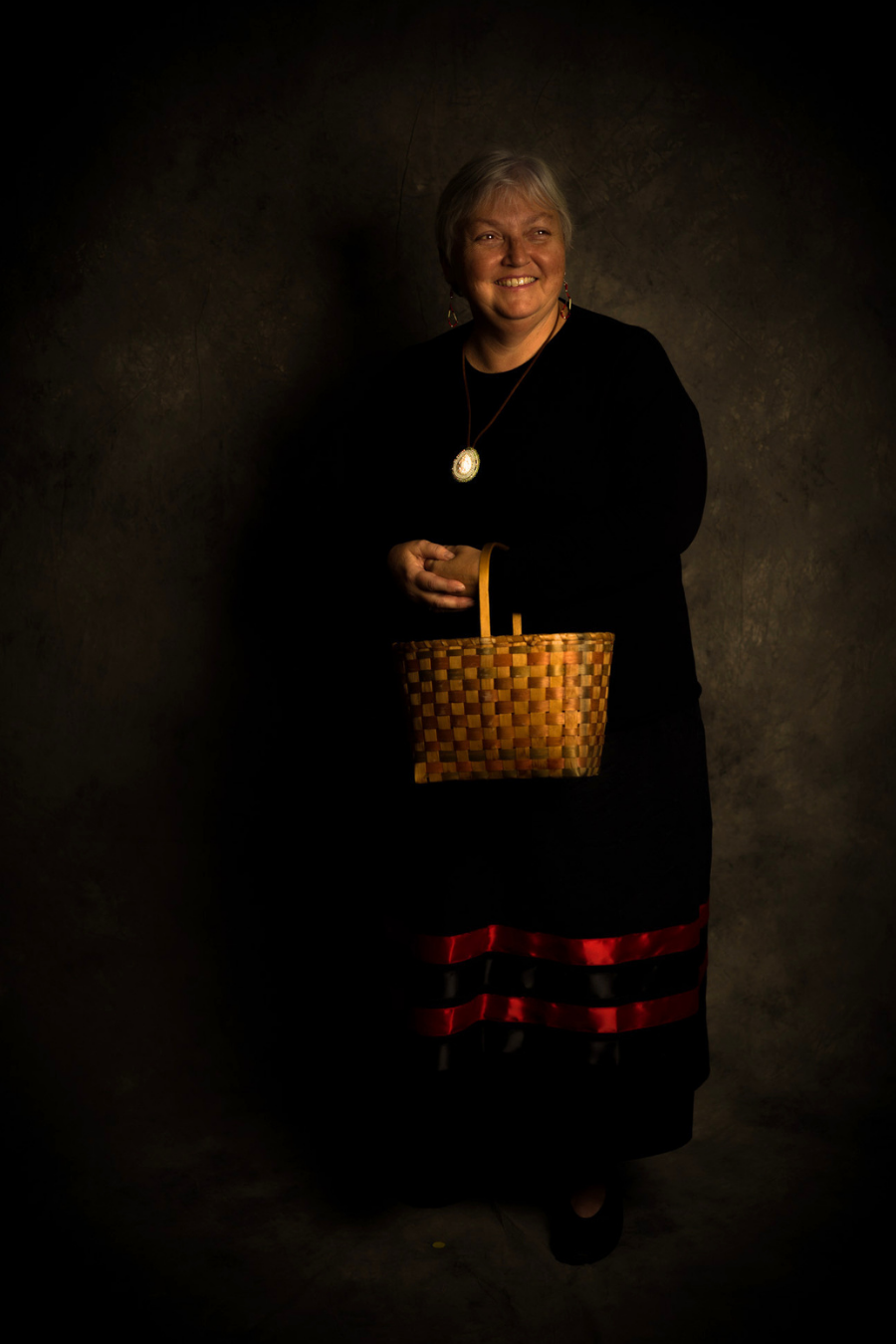
Charmaine Stevens
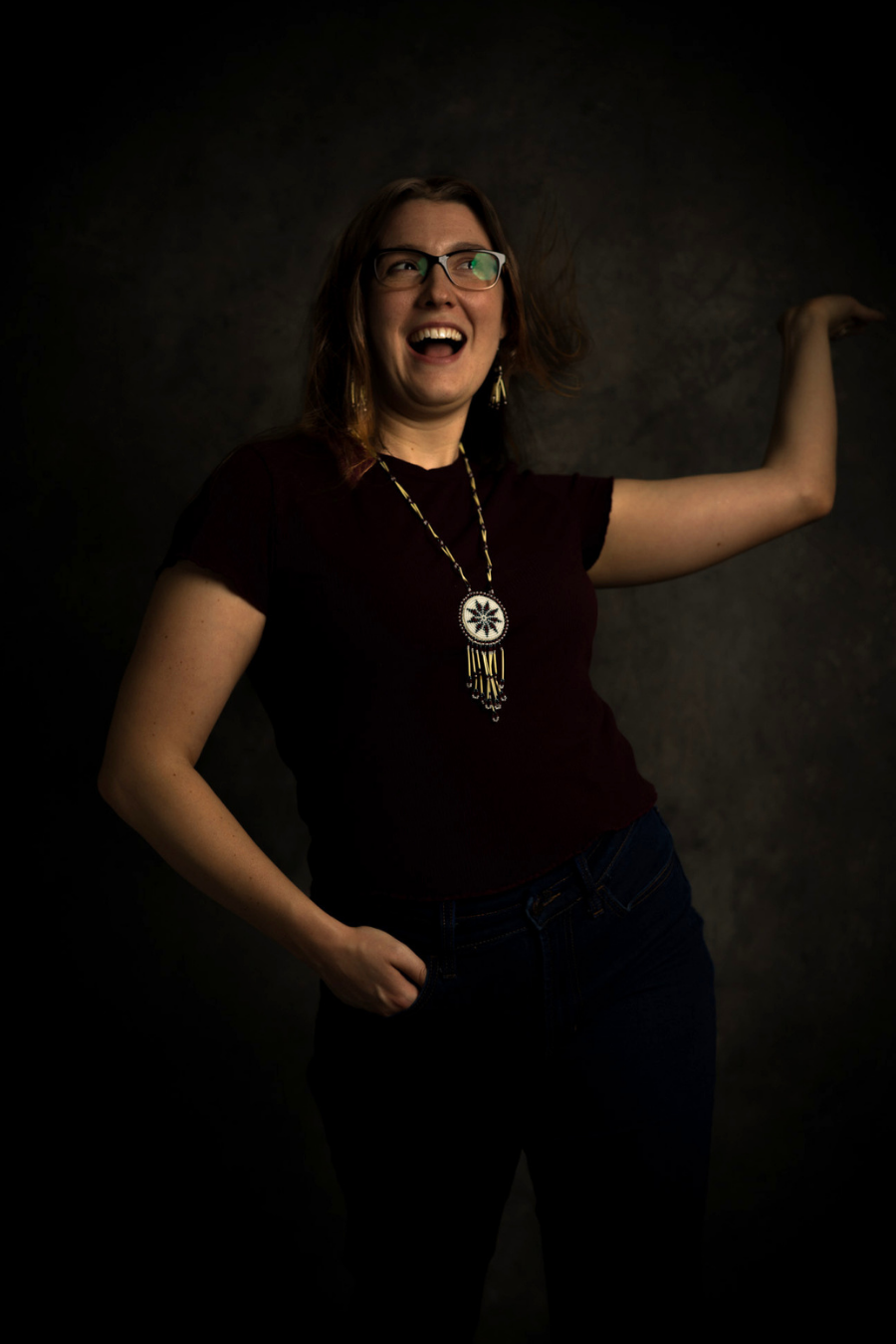
Chelsea Purdy
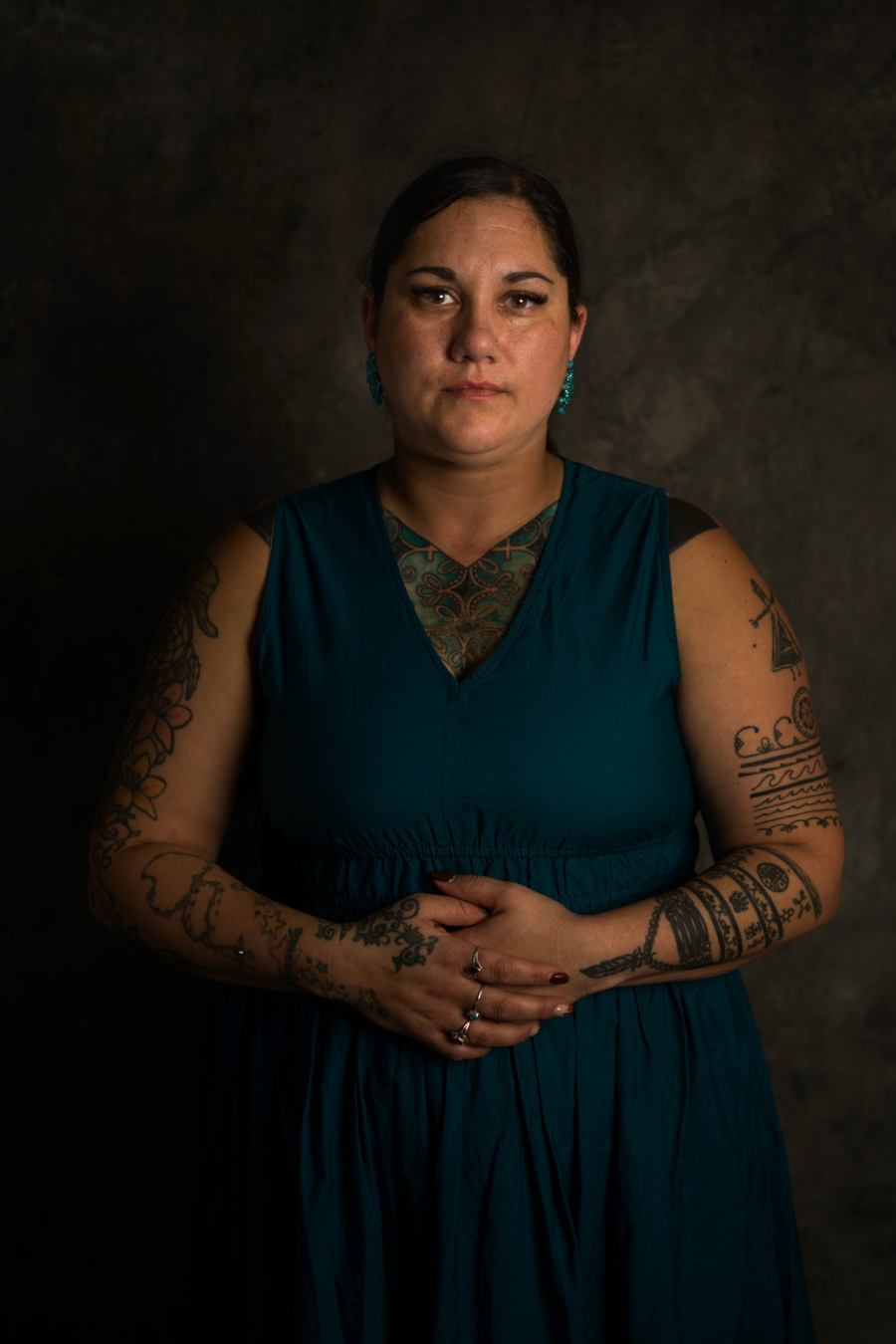
Michelle Roy
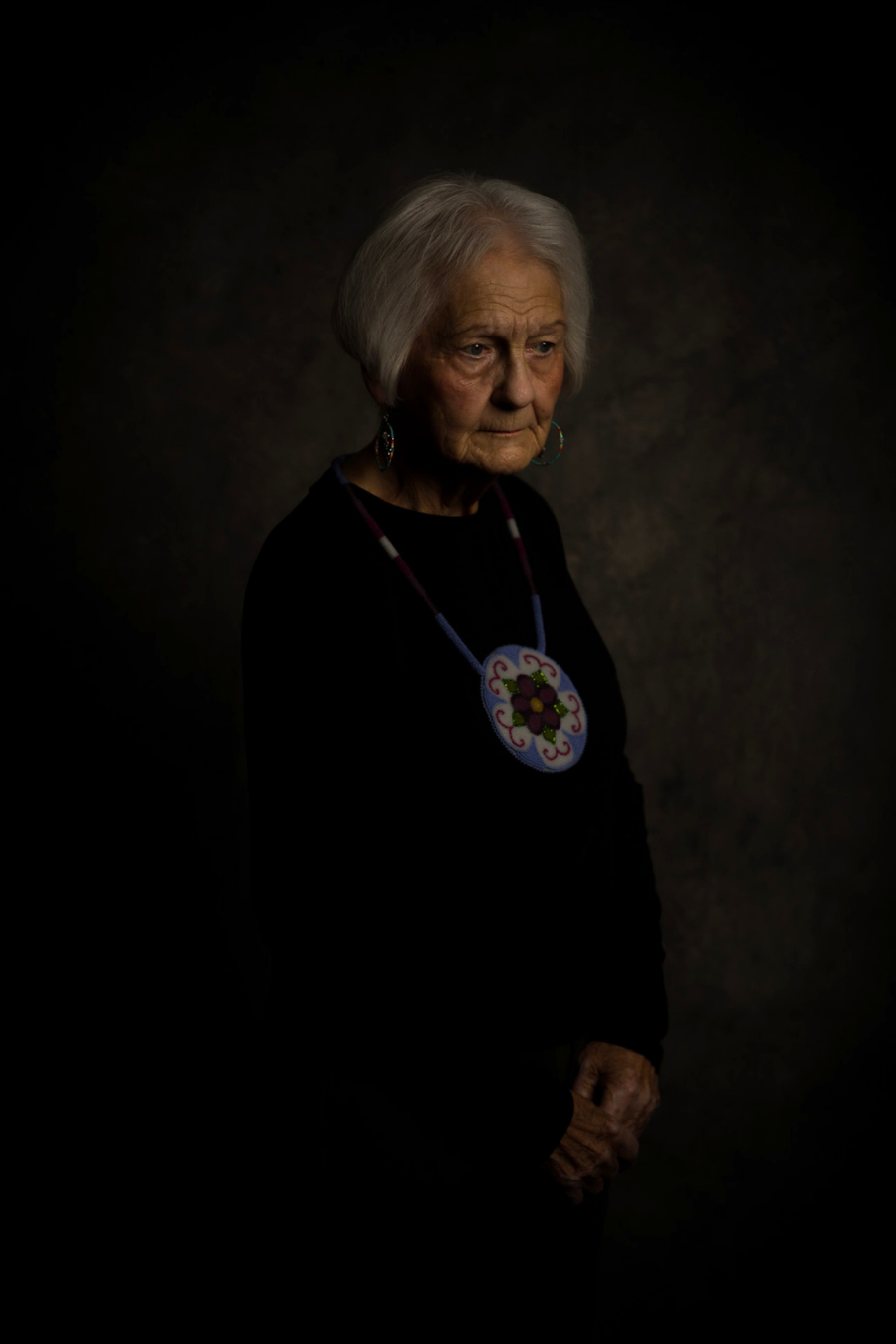
Caroline Whynot
My name is Caroline Whynot. I was the only child born to Frank and Onieta Labrador in Sable River on April 15, 1943. When I started school I was told that if anyone treated me differently to always remember I was no less or better than the other children; we were all equals. I’m sure at the time I didn’t understand what my parents meant by that. I was one of the lucky ones and did get to enjoy school as so many others didn’t have that chance.
I never got to meet my grandfather Benjamin Labrador as he died before I was born. He was a basket maker and travelled all over selling them. Ben also was a tightrope walker at fairs, which I have pictures of. I am very proud of my heritage and have passed this down to my children and theirs.